
7 Trip-Planning Mistakes (and How to Avoid Them)

Planning a trip should be exciting, but it often turns into a source of stress and unexpected expenses. After years of helping travelers create unforgettable experiences, I've identified the most common mistakes that can ruin your vacation before it even starts.


The 7 mistakes we all make

Not Researching the Best Travel Dates
You might run into torrential rain during the "dry season," sky-high prices during local festivals, or places closed for maintenance.
Research the weather, tourist seasons, and special events at your destination at least 3 months ahead. Use tools like Google Trends to see when other travelers visit. Consider traveling in shoulder season for the best balance between weather and prices.

Underestimating the Real Budget
Secondary expenses can add up to 40% of your total budget: tips, local transport, unplanned activities, souvenirs, entrance fees, and all those "small treats" that pile up.
Apply the 20% rule: add up all your main expenses and tack on an extra 20% for the unexpected. Keep a daily expense log using apps like Trail Wallet, or just the notes app on your phone.

Over-Planning the Itinerary
You come home more exhausted than when you left. You miss unique opportunities that come up along the way, and you never really have time to enjoy the places you visit.
Pick a maximum of 2–3 main activities per day. Set aside 30% of your time as "free time" for exploring, resting, or following local recommendations. Remember: it's better to really get to know a few places than to skim the surface of many.

Not Considering Travel Insurance
A medical emergency abroad can cost thousands of dollars. Flight cancellations, lost luggage, or unexpected changes can wreck both your trip and your wallet.
Get travel insurance that covers medical expenses, cancellations, and lost luggage. Read the fine print and make sure it covers the activities you're planning to do. For longer or higher-risk trips, consider a policy with extended coverage.
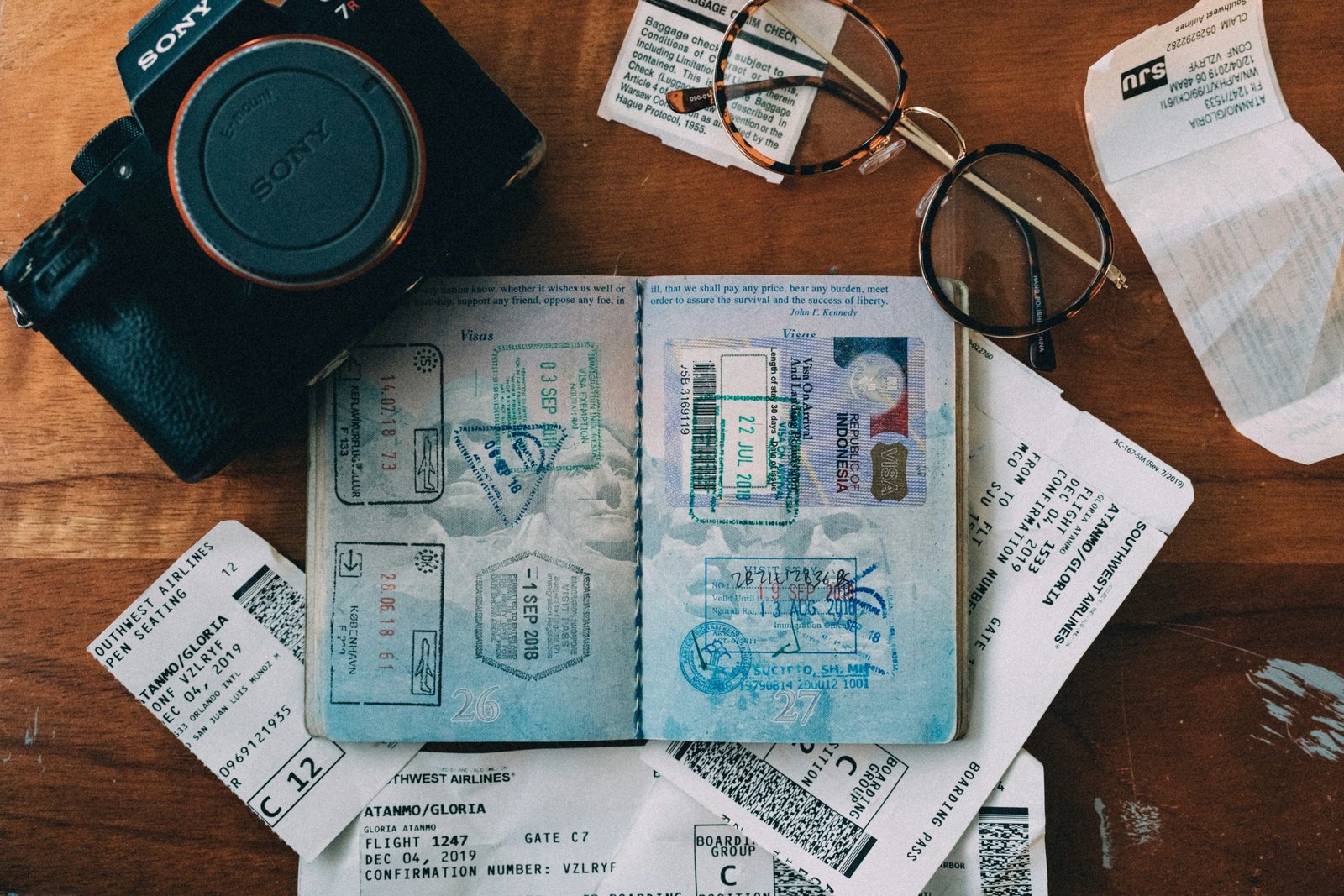
Ignoring Documentation Requirements
You could be turned away at the airport, miss your flight, or face fines and deportation upon arrival at your destination.
Check entry requirements at least 2 months before your trip on official sites like the destination country's consulate. Verify your passport's validity (many countries require at least 6 months remaining). Some vaccines need time to take effect, so plan ahead.

Not Backing Up Important Information
If you lose your phone, it breaks, or it gets stolen, you lose access to all your critical travel information right when you need it most.
Build a "digital survival kit": save copies of your passport, visas, hotel bookings, insurance policy, and emergency contacts to the cloud (Google Drive, Dropbox). Email the whole set to yourself. Carry physical copies of the most important documents in separate luggage.

Not Learning About the Local Culture
You could unintentionally offend locals, miss out on authentic experiences, or even run into legal trouble by overlooking important cultural norms.
Spend at least an hour researching the local culture: dress codes, dining customs, gestures that might be offensive, appropriate ways to greet people, and behavior norms in sacred places. Download translation apps and learn a few basic courtesy phrases in the local language.
The Perfect Trip Doesn't Exist.
But a Well-Planned One Does.
The best trips aren't the ones where everything goes perfectly — they're the ones where you're ready to adapt when things don't go according to plan. Avoiding these common mistakes will give you a buffer of peace of mind that lets you actually enjoy your adventure. Remember: planning matters, but flexibility is essential.