The ultimate list:
what to pack so you
don't ruin your travel
Everything I've learned over years of travel — the wins, the mistakes, and the tricks you won't find in any travel brochure.
Ever arrived at your destination and realized you forgot something essential? Or had your bag weigh so much you had to pay overweight fees at the airport?
Why a packing list can save your trip
The first time I traveled to Europe, I left Ushuaia with a 23-kilo suitcase. I paid overweight fees at the airport, wrecked my back hauling it onto every train, and ended up wearing only half of what I brought. I learned the lesson the hard way — and packing has been a skill I've been refining trip after trip ever since.
This guide is everything I learned along the way: what to bring, what to leave behind, and how to arrive without your suitcase being the problem. Packing isn't just stuffing clothes into a bag. It's a decision that can determine whether your trip feels light and enjoyable, or turns into a string of avoidable hassles. A well-thought-out suitcase saves you money, time, and above all, energy — which is exactly what you need to make the most of every day.
The most common packing mistakes
Packing extra clothes "just in case" is mistake number one. That clothing usually comes home untouched, after taking up valuable space the whole trip.
- Forgetting the power adapter — something so small it can leave you without a phone, camera, or laptop in an unfamiliar country.
- Not checking the liquid restrictions before going through security.
- Choosing the wrong shoes for your destination.
- Not leaving room for the souvenirs you'll inevitably want to bring home.
Essential Documents
Your lifesaver, on paper (and digital)
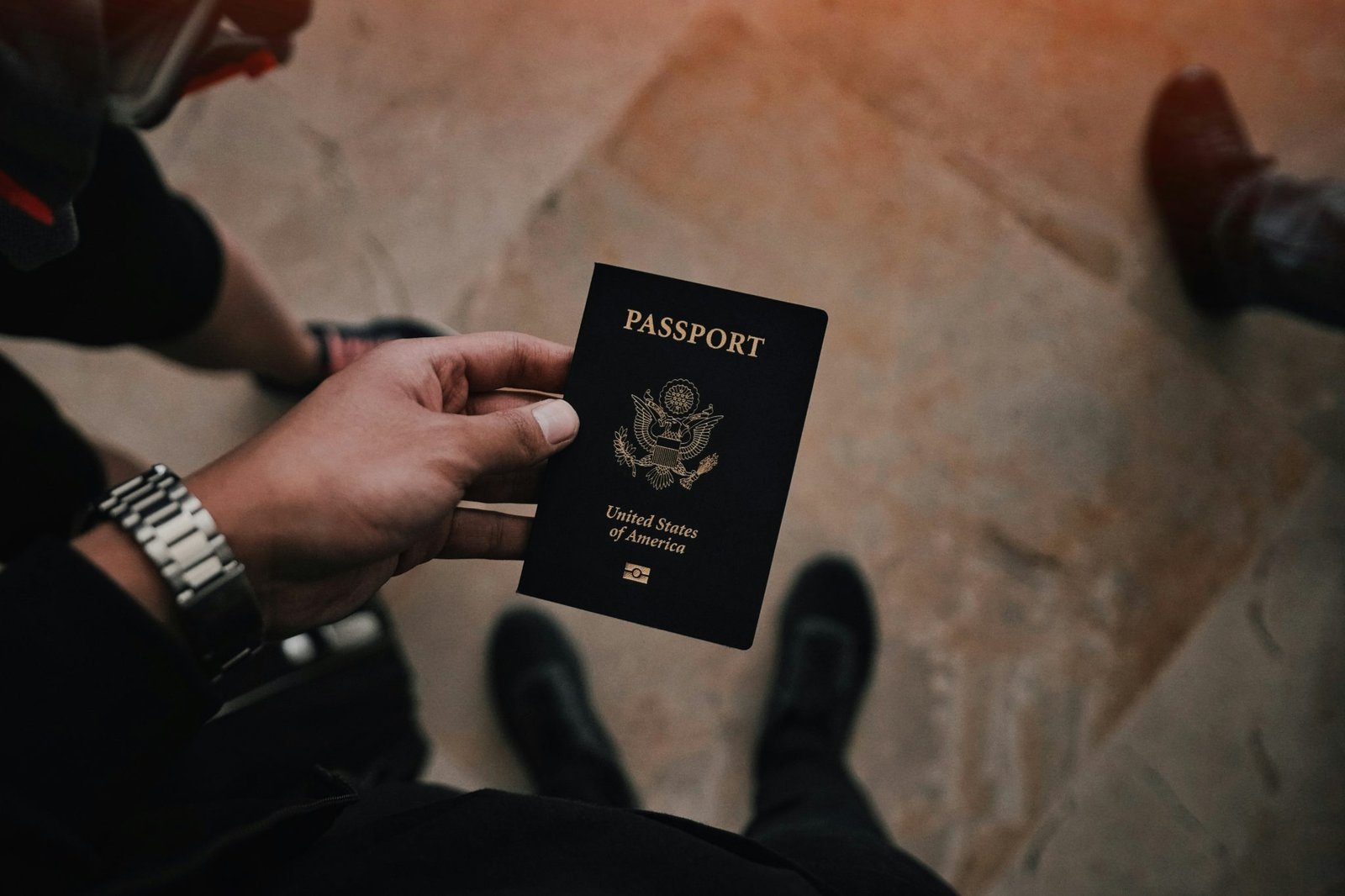
Valid for at least 6 more months.
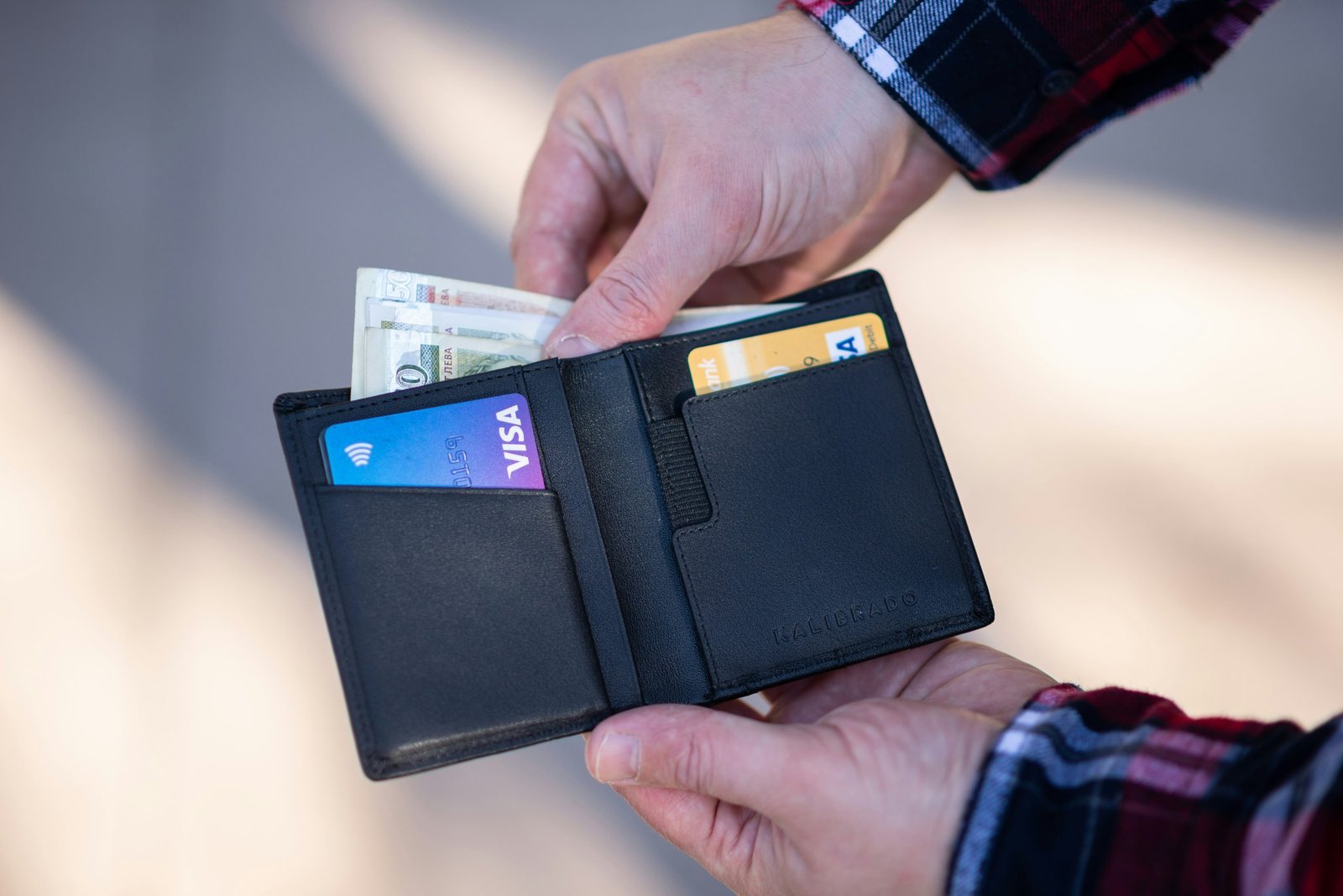
At least 2 different ones.

In local currency and dollars/euros.
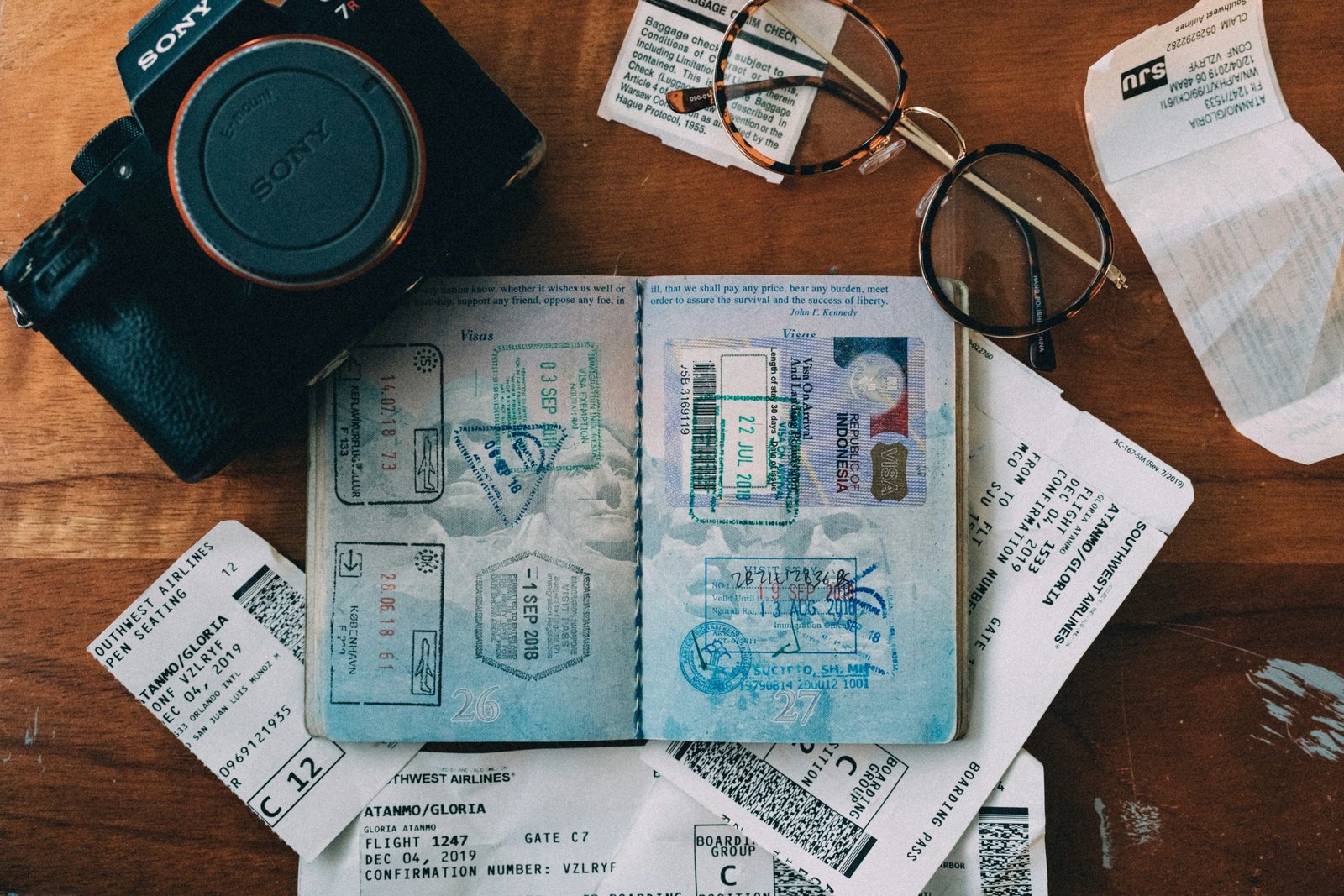
Essential, though many people forget it.
Before you even think about clothes, documents come first. A passport valid for at least 6 months past your return date is non-negotiable — check it before buying any tickets. Bring at least two different credit or debit cards, cash in local currency plus some dollars or euros as backup, and your travel insurance printed or downloaded to your phone.
Mi truco favorito: My favorite trick: take photos of all your documents and save them in your email and in the cloud. If you lose your passport mid-trip — like almost happened to me in London — having that digital copy speeds up the whole process at the consulate.

Tech: what you actually need
In the digital age, tech can make or break your trip:
- Chargers for all your devices
- Universal adapters (don't assume every country uses the same plugs)
- Power bank With good-capacity
- Headphones (noise-canceling, ideally)
- A camera (even if your phone is great, a dedicated camera makes a difference)
Pro tip: Download offline maps, translation apps, and guides for your destination before you travel. You won't always have internet when you need it most.
Clothing: the key is versatility
Every piece you pack should work with at least three others. This maximizes your options while minimizing the space you need.
Essentials by trip type:
For cold weather:
- Thermal layers (more effective than one super-thick jacket)
- Waterproof jacket
- Scarf and hat
- Gloves
- Waterproof footwear
For warm weather:
- Light, breathable clothing
- Sunscreen (SPF 50+)
- Hat or cap
- Comfortable sandals
- Swimsuit (even if you're not planning on the beach, you never know)
For adventure trips:
- Quick-dry clothing
- Sturdy, comfortable footwear
- Windbreaker jacket
- Technical-fabric underwear
Health and hygiene kit: small details, big difference
The basics people often forget:
Personal medications (bring more than you think you'll need)
Basic first-aid kit: painkillers, antihistamines, band-aids, antiseptic
Toiletries in travel sizes
Sunscreen and insect repellent
Hand sanitizer
Health and hygiene kit: the small details that make a difference
Personal medications come first, and always in a larger quantity than you think you'll need. Then a basic first-aid kit: painkillers, antihistamines, band-aids, and antiseptic. Travel-size toiletries, sunscreen, and insect repellent if your destination calls for it.
The survival kit I always keep in my backpack's front pocket: dental floss, band-aids, aspirin, and rehydration salts. It fits in any pocket, and it's saved the day for me more than once.
Accessories worth packing
These small items can transform your travel experience:
- A TSA-approved lock for your luggage
- Packing organizers (packing cubes)
- A travel pillow in good condition
- Eye mask and earplugs
- Waterproof bags for dirty or wet clothes
- A small Swiss Army knife (checked luggage only)
A TSA-approved lock for your bag, packing organizers (packing cubes are a game-changer), a decent travel pillow for long flights, an eye mask and earplugs, waterproof bags for dirty or wet clothes, and a Swiss Army knife — but only in checked luggage, never in your carry-on.
Packing strategies
How to pack like a pro
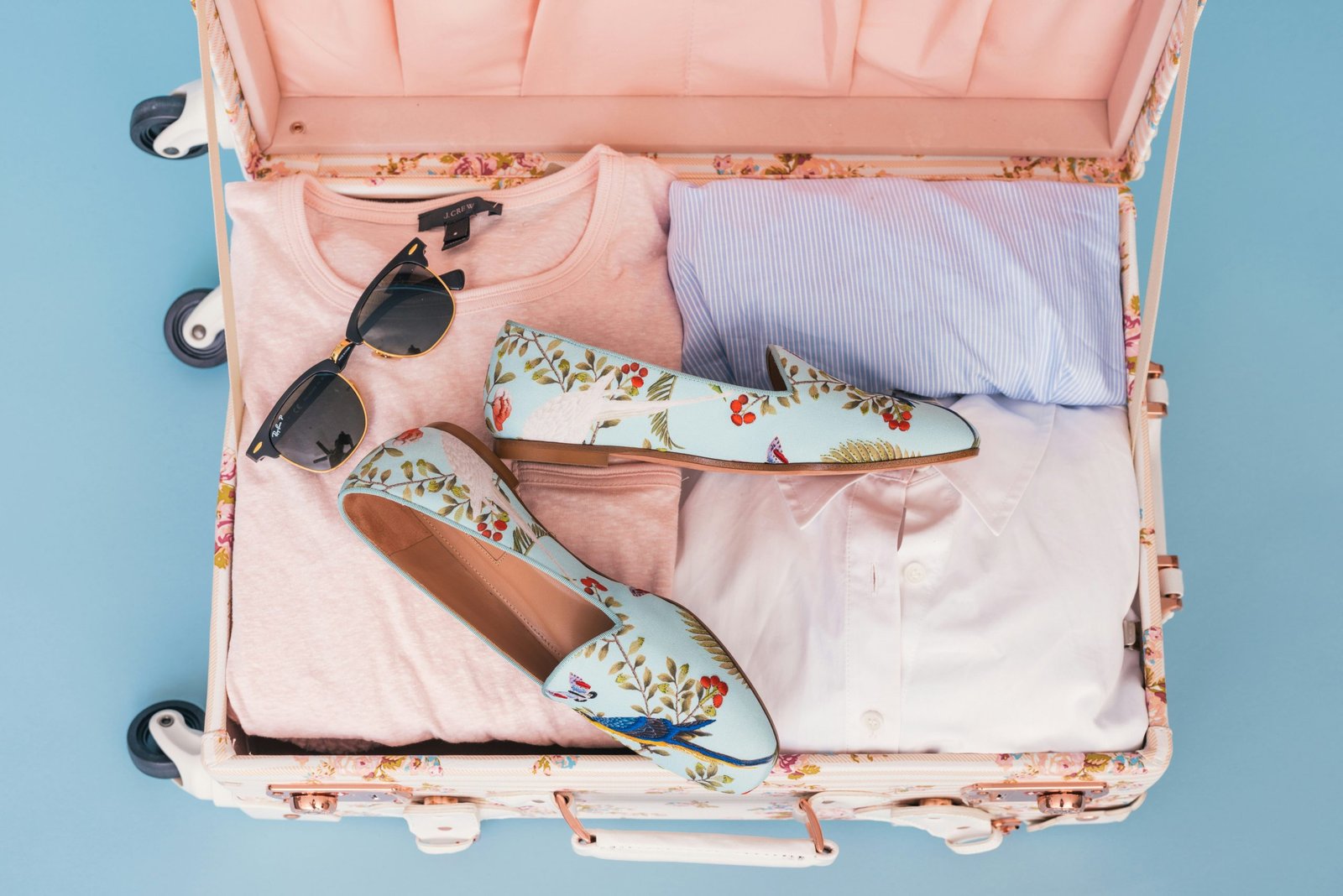
The rolling technique: instead of folding, roll your clothes. It takes up less space and wrinkles far less.
The 80% rule: only fill your suitcase to 80% capacity. The remaining 20% is for what you'll buy along the way — because you always buy something.
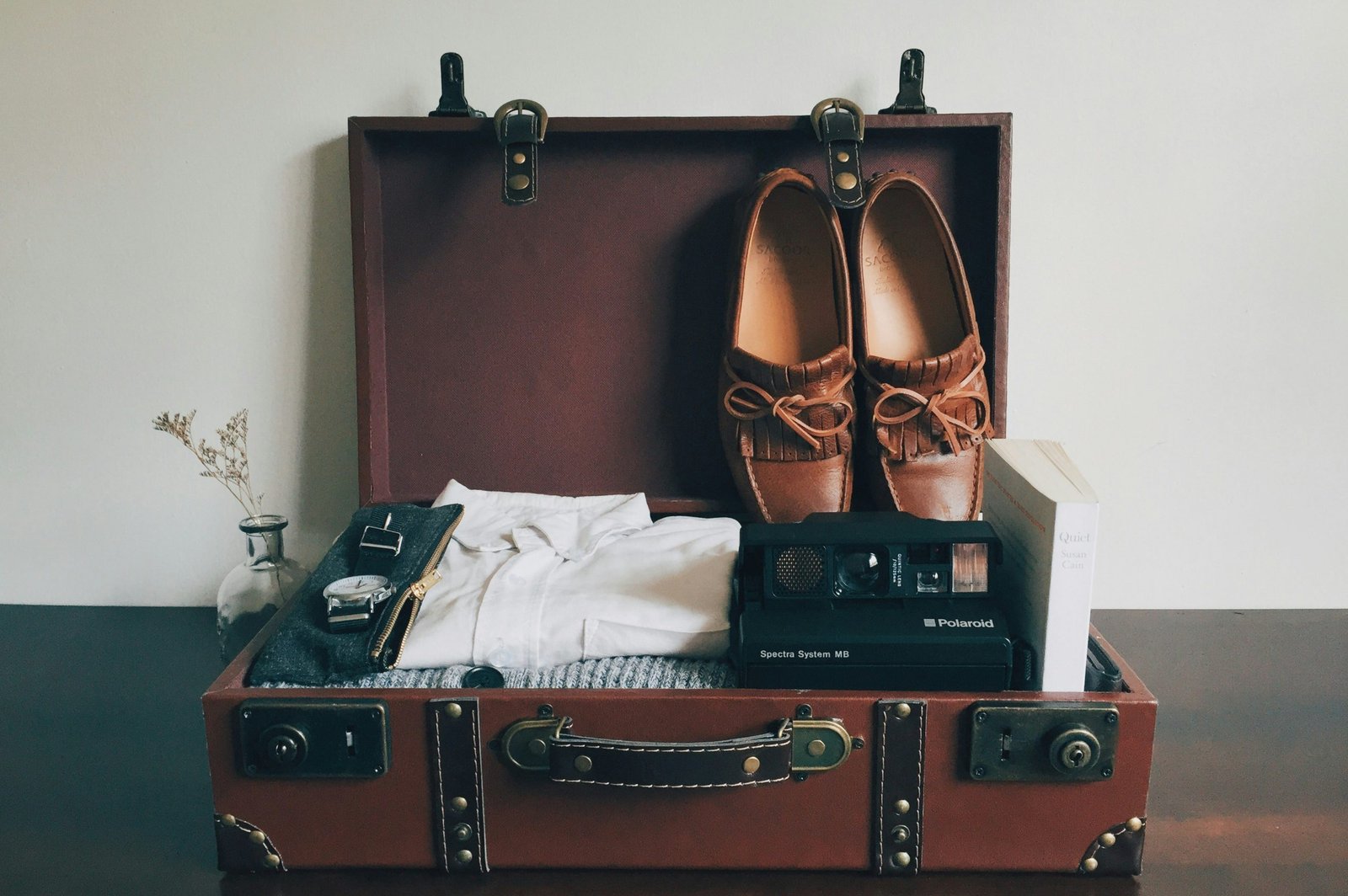
The layering method: shoes at the bottom (stuffed with socks to make the most of the space), then pants, shirts, and the most delicate items on top.
Always in your carry-on: a full change of clothes, essential medications, important documents, and basic toiletries. If you've ever lost checked luggage, you'll understand why.
The 5-4-3-2-1 method for packing clothes
The idea is simple: pick a palette of neutral colors that all go together — beige, white, black, gray, camel, navy — and use that as your guide to build a travel wardrobe that multiplies your possible outfits from the fewest pieces. Instead of thinking in outfits, you think in interchangeable pieces.
With this formula you get more than 20 different combinations. The trick is color coherence: before packing, lay every piece out on the bed and check that each top works with each bottom. If a piece only works with one other thing, leave it at home.
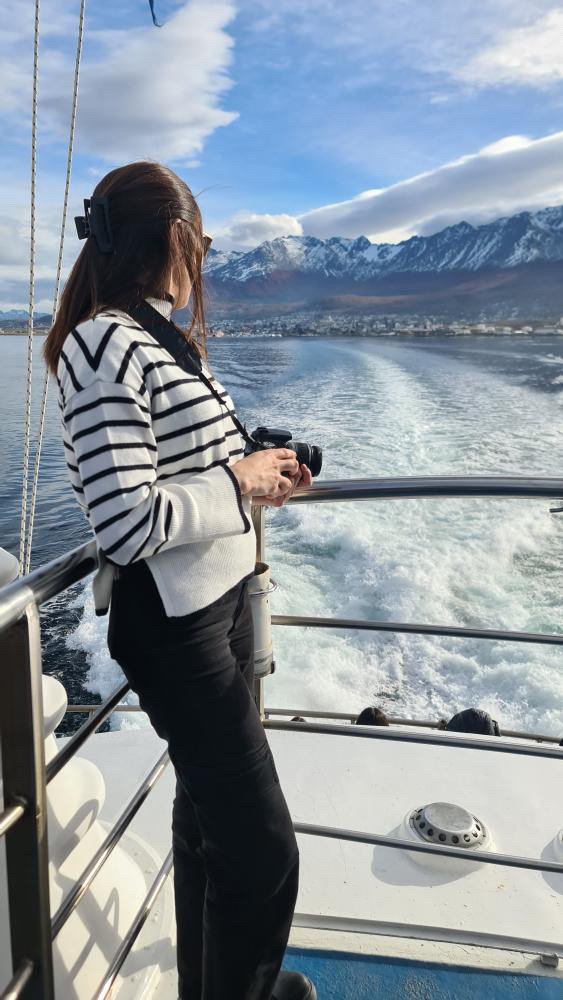
Mistakes that will cost you
-
1Luggage weight
Not checking the weight before heading to the airport. Airlines show no mercy for overweight bags — and the extra fee can wreck your budget on day one.
-
2Footwear
Bringing just one pair of shoes. If they get wet or break along the way, you're stuck — hunting for a shoe store in a language you don't speak.
-
3Destination weather
Not researching the actual weather beyond the season. May in Europe is not the same in Lisbon as it is in Edinburgh. Check the week-by-week forecast, not just the average temperature.
The rule 3-1-1 for liquids on the plane
One of the things that causes the most confusion at security checkpoints.
Each liquid, gel, or cream container can hold a maximum of 100 ml
All containers must fit inside a single 1-liter clear plastic bag
Only one bag per person is allowed — no exceptions at the checkpoint
Simple, but if you don't know it, you can lose your favorite products at the checkpoint. And remember: important documents never go in checked luggage — those always stay in your carry-on, with you.
Packing list by destination
Less is more, but don't forget sun protection, stomach medication, and something for cooler nights.
Comfortable walking shoes, clothing appropriate for religious sites, and a secure daypack.

Prioritize function over style. Layers, waterproofs, and specialized footwear are essential.
Minimalist packing: less is more
The current trend is traveling with less but better. Some tips:
- Choose a color palette that works together
- Invest in quality clothing that holds up through many washes
- Consider the "one week of clothes, wash as needed" rule
- Learn to hand-wash clothes in the sink (yes, it's an art)
Final tips before you
zip up the suitcase
- Check your destination's weather one last time
- Confirm all your devices are charged
- Leave your itinerary with someone you trust
- Double-check flight times — they can change until the last minute
- Take a photo of your luggage before checking it in
- Keep every receipt — you never know when you'll need one for insurance
- Locate the nearest pharmacy to where you're staying
Packing well is more than a practical skill — it's the difference between arriving light and full of energy, or dragging problems along from day one. It's not about bringing everything, it's about bringing the right things.
You can buy almost anything at your destination. What you can't get back is the time lost hunting for a pharmacy at midnight, or the money spent on overweight baggage fees.
If you're heading to Europe, I'd also recommend these guides — both have specific packing advice for each destination:
The list ultimate of packing
Everything your suitcase can't do without, organized by category and priority. We'll send it to your email instantly.
No spam · Unsubscribe anytime
All set! Check your email
We've sent you the ultimate packing list. If it doesn't show up in a few minutes, check your spam folder.
Back to the article →Did you find this article helpful?
Share it with that friend who always packs the night before.
Don't forget to download the printable packing list so you always have it on hand for your next adventures.
Share this article!
Help other travelers by sharing this information
Thanks for sharing