
Greece changes you
Athens · Mykonos · Paros · Naxos · Santorini
There's something about the salty smell of the Aegean, the blinding white of the Cycladic houses under the June sun, the first sip of ouzo by the sea, that changes you forever. It's not an exaggeration: that's what Greece does.
This guide was born from my own trip through the Cyclades. I put it together for first-timers who need to understand how island-hopping works, what to see at each stop, when to go, how to organize the ferries, and where to eat authentic food without overpaying.
"Greece isn't a destination you visit. It's a destination you feel — and one you inevitably want to return to."
The route I'm proposing links five destinations with very different personalities: Athens as your historic entry point, then the Cyclades island by island — Mykonos, Paros, Naxos, Santorini — connected by ferry across the Aegean. Each one has its own character. Each one will surprise you in a different way.
Walking it myself, Athens surprised me in a way I didn't expect. Souvenir shops pop up on every corner, restaurants multiply at every turn, and the monuments literally walk alongside you — you turn a street and there's the Acropolis, imposing, like part of the city's everyday backdrop.
What surprised me most was how easy it was to get around without speaking the language. People are friendly and always willing to help, and everything is very well signposted: streets, stations, points of interest. Nothing feels complicated, not even for a first-time visitor.
From the airport to your accommodation
As soon as you leave the airport there's a tourist information office where they give you a map so you can take the metro without any hassle. I got off at Acropolis station and walked just a few meters to my Airbnb, which was right across from the Temple of Zeus — surrounded by restaurants, in a super central area.
If you have to choose where to stay, the areas near Acropolis station, Plaka or Monastiraki are the best: you can walk everywhere, the Temple of Zeus, the Acropolis and dozens of restaurants are just steps away, and at night the area stays lively and safe.
Five destinations, one single logic
Everything connects by ferry
The logic of the Cyclades is simple: ferries are the transport between islands. Routes to every island depart from the Port of Piraeus in Athens. Between the Cyclades, the shortest crossings take 45 minutes; the longest, a few hours. We cover all of this in detail in the ferry section further down.
Athens
The cradle of Western civilization, where past and present coexist
Athens is much more than the Acropolis. The Plaka neighborhood unfolds its cobblestone streets steeped in history, while Monastiraki offers a chaotic, authentic market where everything happens. The city has a unique energy: ancient and modern at once, with a surprising food scene and nightlife concentrated in Psirri and Kolonaki. With 3 or 4 nights you'll have time to see it properly — and to recharge before setting sail.
Must-sees
- Acropolis and Parthenon
- Acropolis Museum (the best in the world on its subject)
- Plaka neighborhood — cobblestone streets, hidden taverns
- Ancient Agora and Roman Agora
- Filopappou Hill — panoramic views of the city
- Changing of the Guard in Syntagma
- Monastiraki Market
- A night in Psirri — the most authentic neighborhood
Getting around
- The metro connects the airport to downtown in 40 minutes
- Plaka and Monastiraki are perfectly walkable
- Taxis use meters — always insist on it
- Beat (the Uber-style app) is the most convenient and transparent option
- The metro is modern, clean and very easy to use
Base neighborhood
Plaka or Monastiraki are the best neighborhoods to stay in: everything is within walking distance and the energy of the place is unbeatable.
The best taverns hide in Plaka, Psirri and Kolonaki. The most authentic spots are usually a bit away from the main squares — a few streets in, with more honest prices.
Moussaka
Baked eggplant with meat and béchamel. The Greek classic.
Souvlaki & Gyros
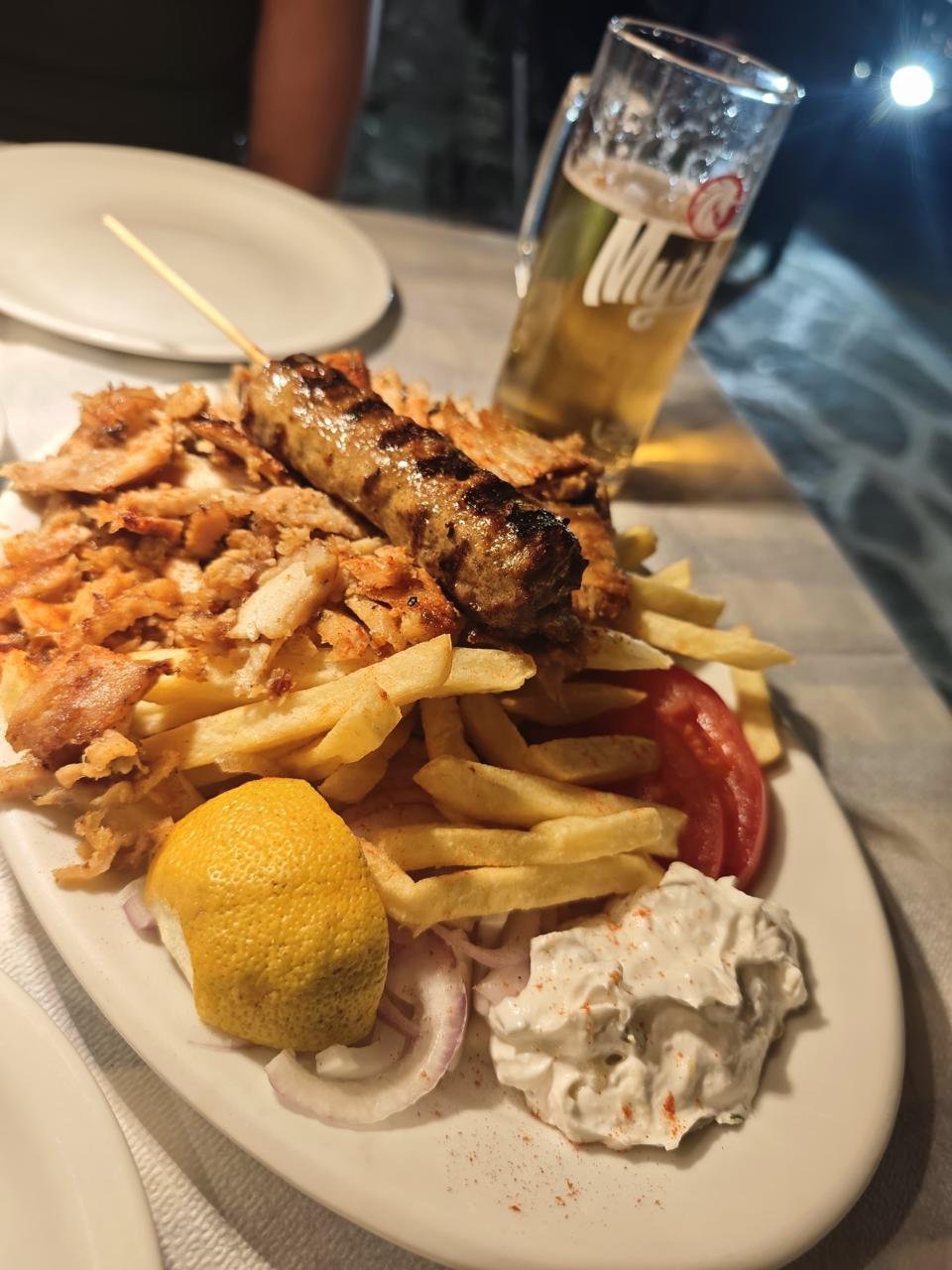
Skewers or meat in pita with tzatziki. Quality fast food.
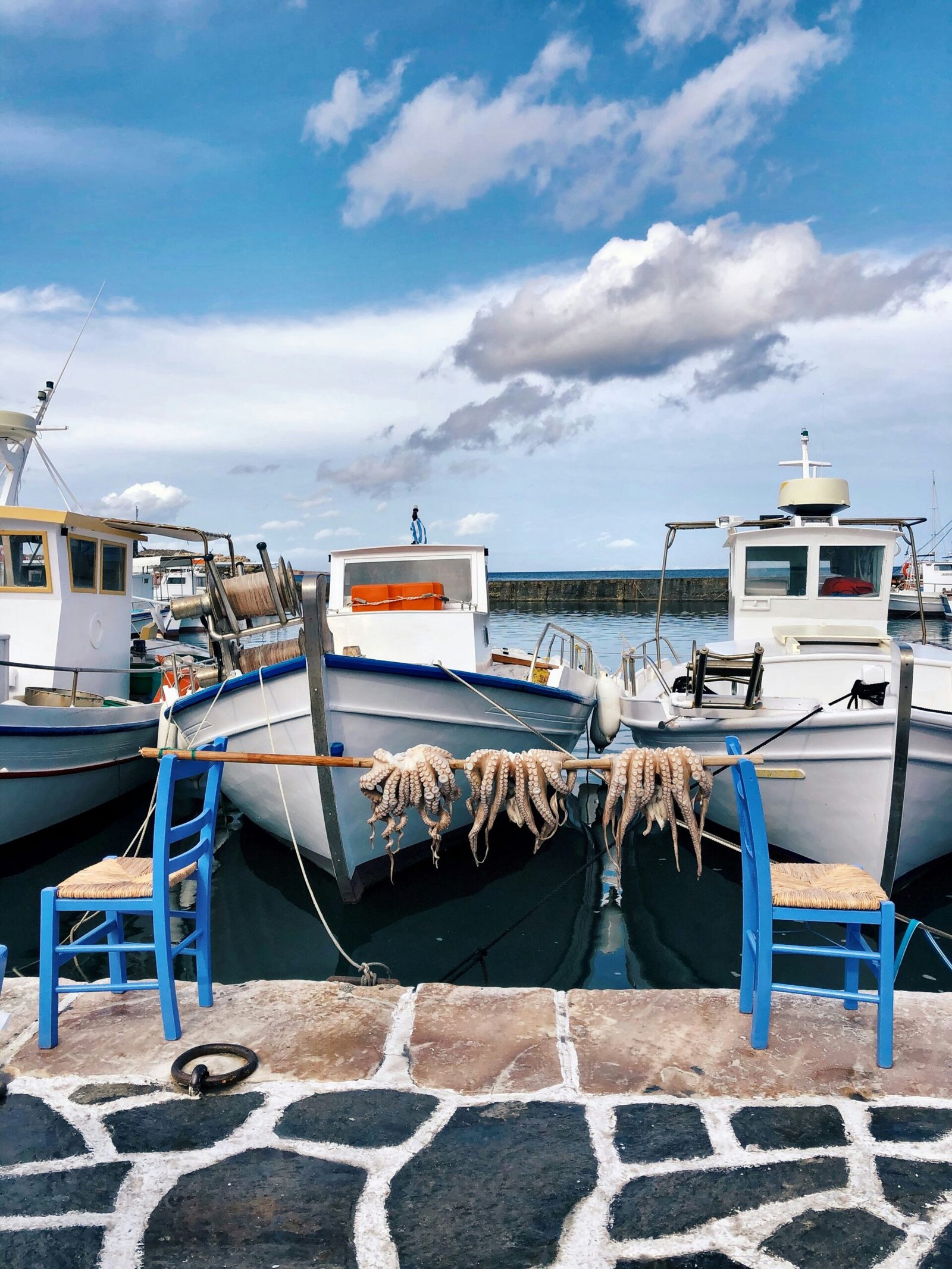
Grilled octopus
With fava (split pea purée). A must at any harborside tavern.
Horiatiki
Real Greek salad: tomato, cucumber, olives, feta in a block.
Loukoumades
Honey and sesame doughnuts. The best ones are in Psirri.
Saganaki
Fried Kefalotiri cheese. The perfect starter before anything else.
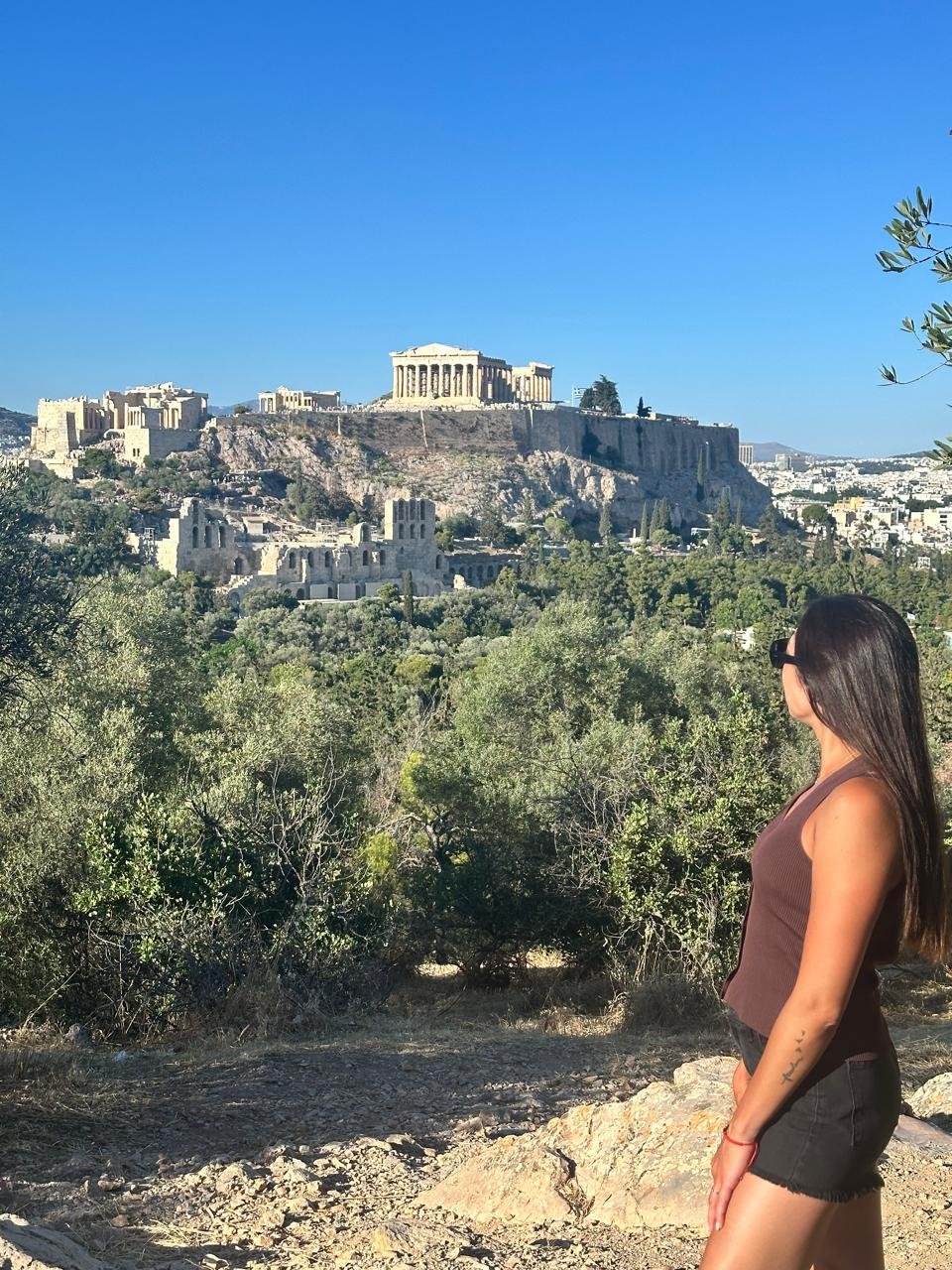
Athens is one of those cities I would have stayed and lived in if I could. Climbing Filopappou Hill at sunset and seeing the illuminated Acropolis in the background, with the whole city stretching out to the sea, is one of those postcards that stays with you forever — the photos you get from up there, with that backdrop, are simply incredible. On that same hill is the Prison of Socrates, a cave carved into the rock that connects you to history in a way no museum can.
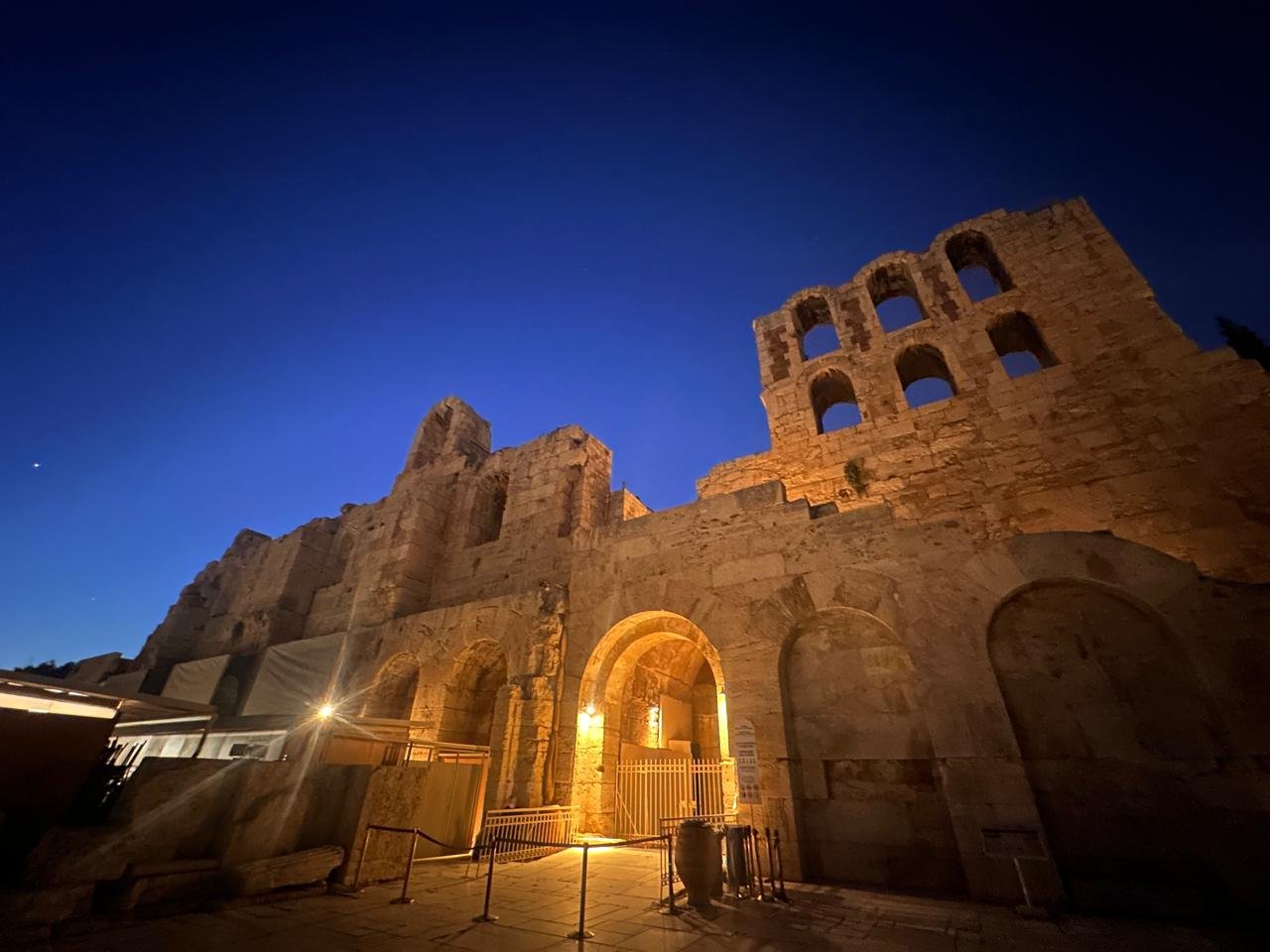
That night I went to a concert at the Odeon of Herodes Atticus, the ancient Roman theater at the foot of the Acropolis — the acoustics are stunning, every note comes through clearly with no amplification needed. Afterward I walked to the Roman Agora and continued on to Anafiotika, the little white-house neighborhood tucked beneath the Acropolis, where I had dinner listening to a band play Greek songs live. Another night I went to see a traditional Greek dance show — no words, just music and movement — and it's one of those experiences that stays with you long after you get home.
"Between the Prison of Socrates and a concert in a two-thousand-year-old theater, Athens reminds you that here, history isn't visited: it's walked."
The perfect day to make the most of it
A walkable route designed to combine history, views and authentic nightlife without wasting time getting between stops.
Ruta a pie · Acrópolis → Plaka → Monte Filopapo → Odeón → Anafiótika · ~2,6 km en total
Acropolis and Acropolis Museum
Go in early to avoid the heat and the crowds. With the combined ticket you can add other archaeological sites downtown.
Lunch in Plaka
Move a few blocks away from the main streets to find taverns with honest prices and authentic cooking.
Hike up Filopappou Hill
A gentle climb with views that open up gradually. Along the way, the Prison of Socrates. Get there ahead of sunset to pick your spot.
Sunset with the Acropolis in the background
The best moment for photos: the golden light over the Parthenon from the hill is hard to match anywhere else in the city.
Concert at the Odeon of Herodes Atticus (if there's a show)
Check the Athens Festival program before your trip — the Roman theater's acoustics make it worth rearranging your whole day to catch a show.
Dinner with live music in Anafiotika
The little white-house neighborhood beneath the Acropolis has taverns with live bands playing Greek songs — the perfect way to close the day.
Mykonos
The glamour of the Aegean, the windmills, and a life that never stops
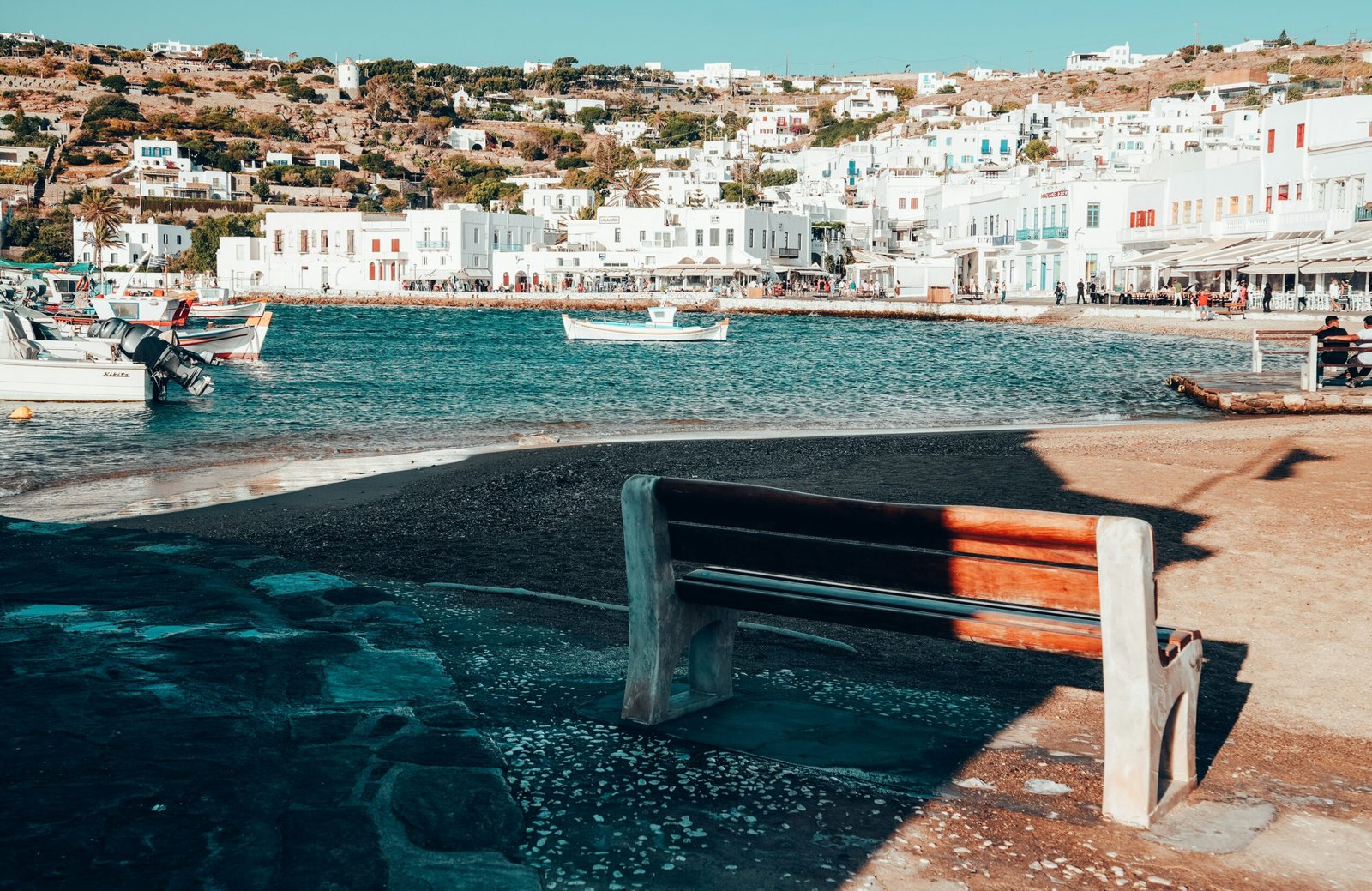
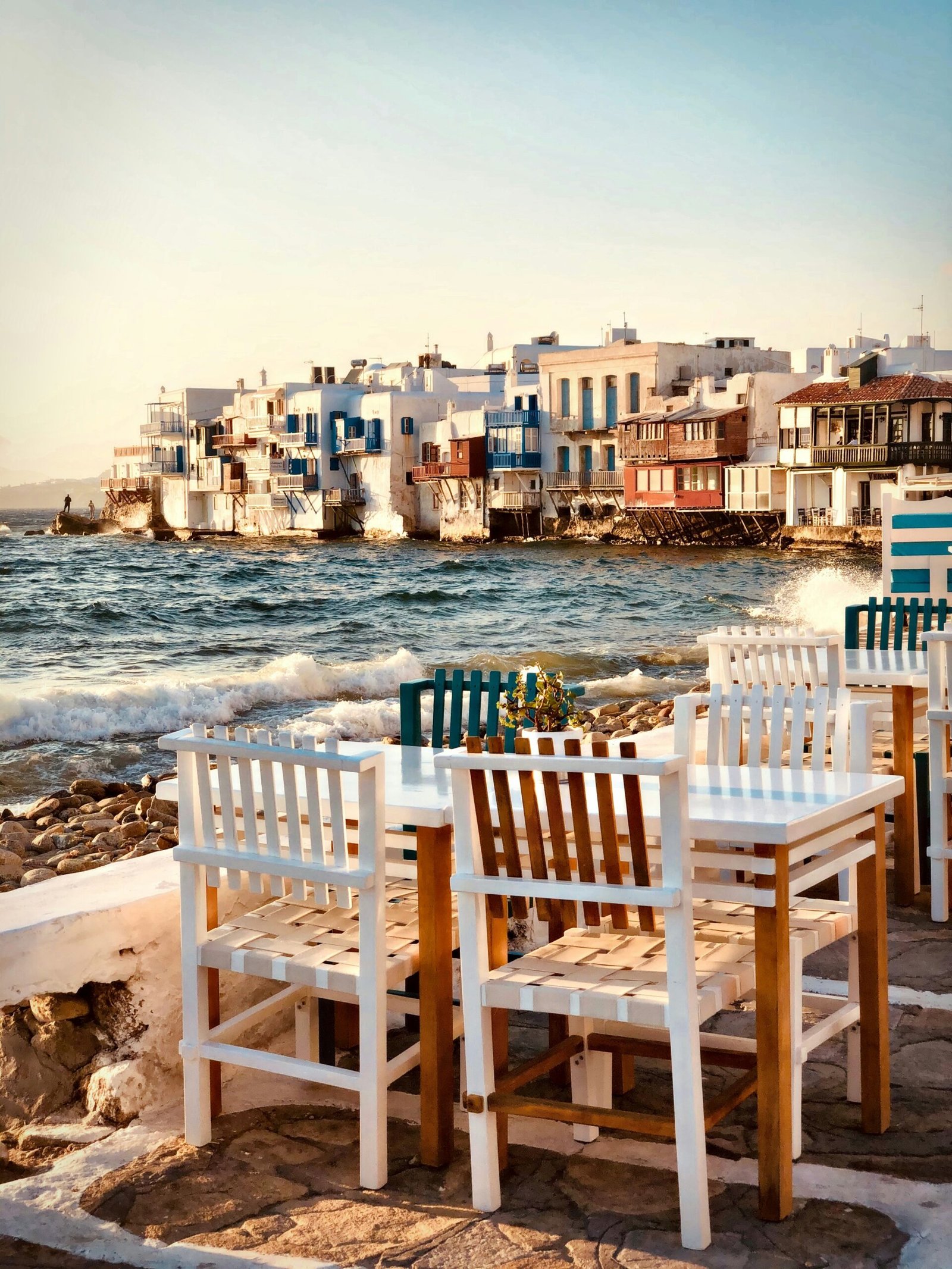
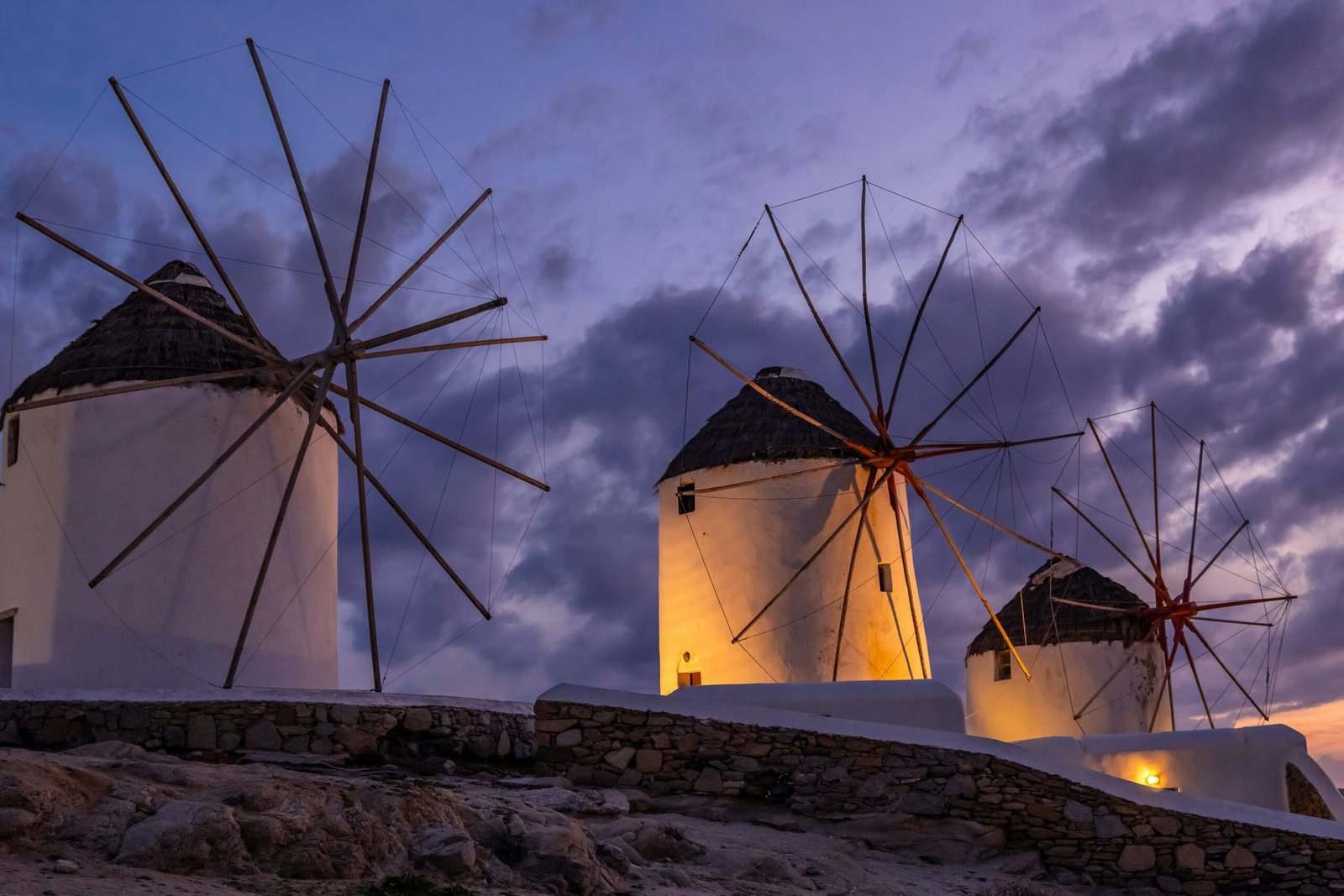
Mykonos is synonymous with Aegean cosmopolitanism. Its capital, Chora, is a maze of whitewashed alleys that opens onto the iconic Little Venice and the famous windmills of Kato Mili. The island has two faces: relaxed by day on spectacular beaches, legendary by night. Motorized vehicles aren't allowed in the center, so everything is done on foot — which makes Chora perfect as a base.
Don't leave without seeing
- Chora — a maze of white alleys
- Kato Mili Windmills
- Little Venice — bars over the water
- Delos Island (a day trip, not to be missed)
- Panagia Paraportiani Church — the most photographed
- Old Port at sunset
- Matoyianni Street — shops and atmosphere
Local specialties
- Kopanisti — spicy, creamy local cheese (Mykonos PDO)
- Fava beans with fennel — the island's traditional dish
- Grilled octopus with moussaka
- Mythos beer or local wine with ouzo
- Loukoumades with thyme honey
Platis Gialos
Golden sand, crystal-clear water. Perfect for families and for seeing and being seen.
Family-friendlyOrnos
Sheltered bay near Chora. Easy access, good atmosphere.
ConvenientElia Beach
The longest on the island. Relaxed atmosphere, fewer crowds.
QuietAgios Ioannis
Views of Delos. Featured in Mamma Mia. Ideal for sunset.
SunsetParadise Beach
The most famous. Beach clubs and a party atmosphere.
PartyParaga
Perfect for snorkeling. Less crowded than the others.
SnorkelingGetting around the island
Public transport in Mykonos is limited and taxis are scarce in summer. Renting a scooter or quad bike is the best way to reach the more remote beaches. There are several rental spots near Chora. If you'd rather not drive, water taxis connect the main beaches from the port.
Mykonos was the first island I visited, and I arrived with sky-high expectations — maybe too high. It's beautiful, no doubt about it, but downtown Chora is much smaller than I expected: its white, photogenic alleys also make it easy to get lost and end up walking in circles through the same blocks. You'll want your phone's GPS handy at all times, a bit like in Venice — better signage would help a lot.
I also felt the island is geared mainly toward passing cruise-ship tourists and party-seekers: lots of nightlife, lots of alcohol, and not much care for the surroundings. Near some beach bars I saw broken glasses on the sand, close to the water — not pleasant if your plan is a relaxed swim. If you're not after intense nightlife, Mykonos might not be the island that wins you over, and that's fine: it's not for everyone.
The beaches, on the other hand, do live up to the hype. Paradise Beach was the first one I saw and it has that postcard feel; Platis Gialos is also worth it. To make the most of them, I'd recommend renting a scooter or a car instead of relying on the bus: the Fabrika station has long lines in high season, and even though the frequency is good, you'll lose time waiting.
If you're after nights of traditional Greek dancing, like I was, fair warning: they're hard to find in Mykonos — the music playing in most bars is international, aimed at a young crowd. You'll find that more authentic experience at other stops on the route.
"Mykonos is a beautiful island that knows exactly who it's made for — and it's okay if that's not you."
Paros
Cycladic authenticity, ancient marble and golden beaches without the crowds
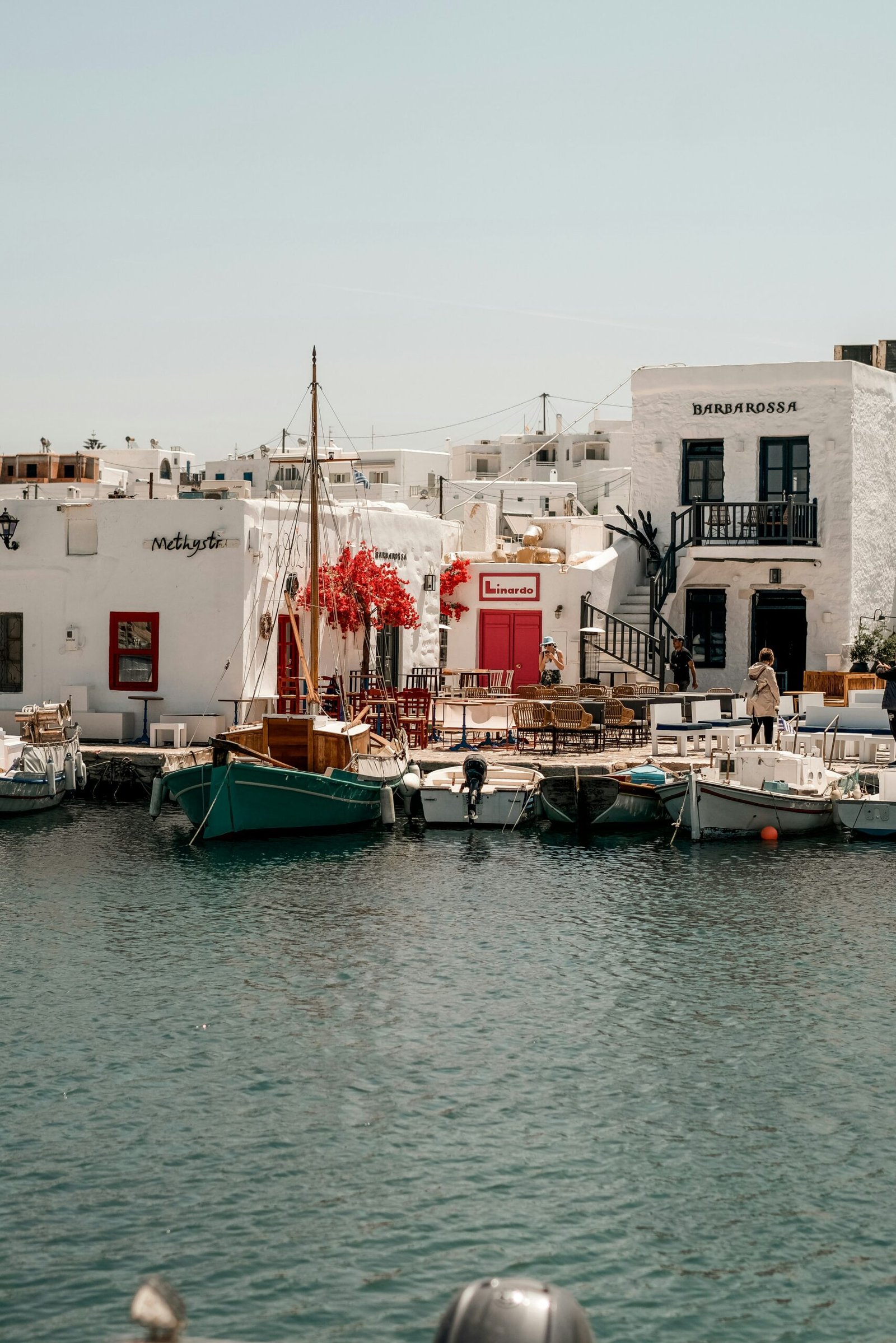
Paros is perhaps the most balanced of the Cyclades: spectacular beaches, an old town with a thousand years of history, genuine cuisine and an atmosphere less crowded than Mykonos or Santorini. The capital, Parikia, is the gateway; but the heart of the island beats in the picturesque port of Naoussa and the mountain village of Lefkes. Paros's white marble — known as "Parian" — was the marble used for the Venus de Milo.
Must-sees
- Panagia Ekatontapyliani — a 4th-century basilica, one of the oldest in Greece
- Port of Naoussa — the most picturesque on the island
- Lefkes — medieval mountain village
- Marathi Marble Quarry — active since antiquity
- Day trip to Antiparos — a quiet island just 10 min away
- Marchello Beach at sunset
Where to stay
- Naoussa — ideal for couples. Atmosphere, nightlife, gastronomy.
- Parikia — best if you're not renting a vehicle. Everything within reach.
- Golden Beach or Piso Livadi — if your plan is beach and
Golden Beach
Golden sand, crystal-clear water. A windsurfing and kitesurfing paradise.
SportsKolymbithres
Unique rock formations sculpted by granite. A postcard in itself.
One of a kindSanta Maria
Turquoise water and light-colored sand. Ideal for snorkeling.
SnorkelingPounda Beach
Departure point for the ferry to Antiparos. Has nightlife in summer.
NightlifeRevithada
Chickpea soup slow-cooked in a clay oven. Paros's signature dish.
Octopus in vinegar
And stuffed squid. Wonderfully fresh at any harborside tavern.
Tomatokeftedes
Tomato fritters. A must-order starter throughout the region.
Xinomyzithra
A mild, slightly tangy local cheese. With bread and olive oil.
I arrived in Paros and was amazed at how close my accommodation was to the port. The welcome was just as unforgettable: the woman running the hotel was walking down the street with a stroller, and when she saw us arrive she greeted us with genuine warmth, gave us a map and really practical tips for getting around the island. That warmth, so typical of small towns, is felt all over Paros.
But what surprised me most was the food. I'd been eating fairly poorly in Athens and Mykonos — the recommendations I got just weren't to my taste, and I was a bit disappointed — and in Paros everything changed at once. I went to Yiannoulis tavern, ordered regional dishes with a Mythos beer, and it was a warm, comforting evening that reconciled me with Greek cuisine. Another night we had dinner watching the sunset, and even the Greek-style pizza pleasantly surprised me.
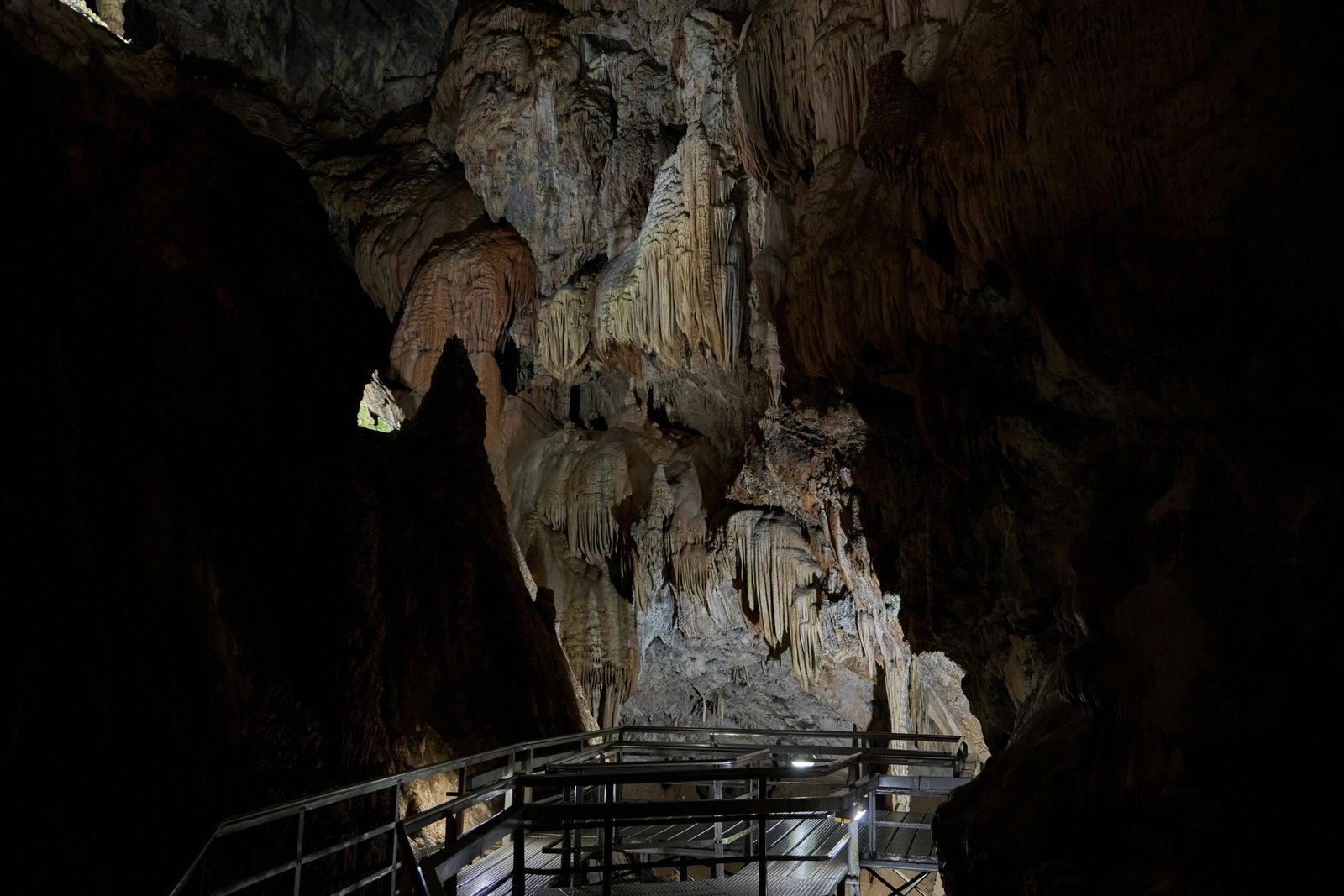
I dedicated a full day to Antiparos, and I recommend it as an absolute must: the cave left me completely amazed — the age of the place (there are inscriptions dating back to 1600, but it's even older, since its famous main stalagmite is estimated at 45 million years old) and how well preserved it is are on another level. It feels like stepping into another era, and be ready to go down a lot of steps. On the way back, very close to the ferry stop, there's a golden-sand beach with crystal-clear water that's absolutely worth just enjoying — the scenery won't let you down.
Another day I walked the Byzantine trail from Lefkes to Prodromos, though I picked a bad time to do it: I set out at high noon and halfway through I nearly gave up from the heat. Right when I couldn't take it anymore, I reached the small village and, like an oasis around the corner, the Byzantino Bar appeared — with the best Greek lemonade I had on the whole trip. If you do this trail, head out early in the morning or later in the afternoon; midday shows no mercy.
One thing to watch out for: souvenirs in Antiparos — they're more decorative items than typical keepsakes, and the prices are pretty irrational.
At night, Naoussa gave me the same foreign-music situation as Mykonos, but this time I was ready for it. What I didn't expect was falling in love with the loukoumades from To Paradosiako in Naoussa: with Nutella, white chocolate and ice cream, they'll be the best 10 euros you ever spend.
Watch out for the access to Marchello Beach
Many people recommend this beach, but it has a "secret" shoreline passage that later turns rocky and uphill. If you follow Google Maps blindly, like I did, you can end up lost on the other side, out on the road. Ask at your accommodation beforehand which access route is recommended.
"After two islands of culinary disappointment, Paros gave me back the joy of sitting down to eat without rushing."
Naxos
The great surprise of the Cyclades — green, fertile and gastronomically extraordinary
Naxos is the island that surprises everyone who discovers it. Bigger, greener and more authentic than its neighbors, it combines mile-long fine-sand beaches, medieval mountain villages, local products famous across all of Greece, and ancient ruins worthy of a museum. It's also the island of the myth of Ariadne — the Cretan princess abandoned here by Theseus after helping him defeat the Minotaur. Mythology is present on every corner.
Must-sees
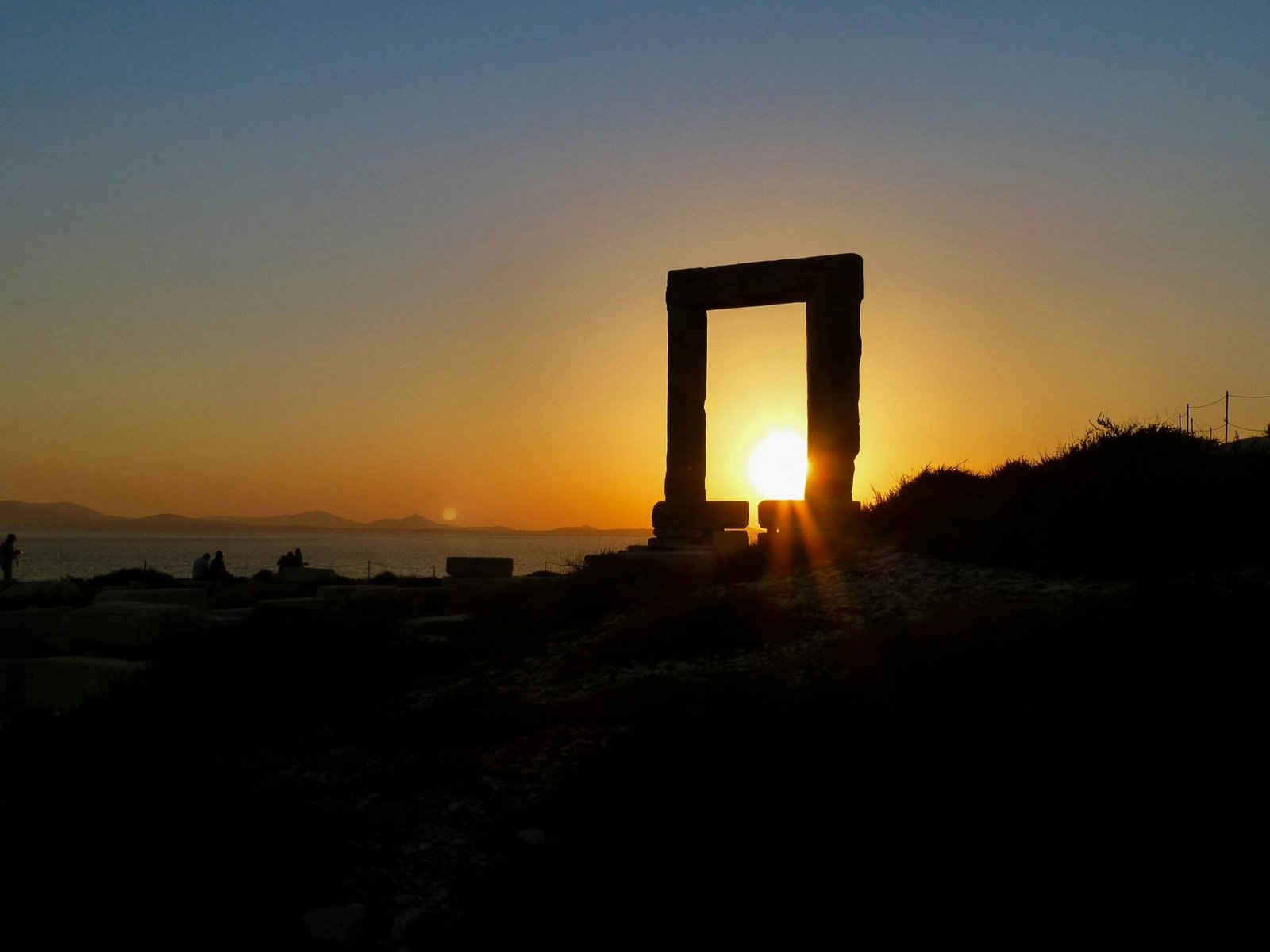
- The Portara — gateway of the Temple of Apollo (6th century BC), the island's symbol
- Kastro of Chora — medieval Venetian citadel
- Apiranthos — medieval marble village in the mountains
- Vallindras Distillery — Kitron liqueur since 1896
- Temple of Demeter — perfectly preserved
- Kouros of Apollonas — giant unfinished statues from the 7th century BC
- Mount Zas — the highest peak in the Cyclades (1,001 m)
What it has that no one else does
- Naxos PDO Gruyère — the most famous in Greece
- Naxos potatoes — famous across Greece for their flavor
- Kitron — a citron liqueur, produced only here since the 19th century
- Arseniko and Xinotyro — unique local cheeses
- Rosto — slow-cooked pork in wine, the island's traditional dish
Agios Prokopios
Fine sand, crystal-clear water. Consistently ranked among the best beaches in all of Greece.
Top pickAgia Anna
Shallow water and soft sand. Ideal for families with kids.
Family-friendlyPlaka
Modern beach bars and a young crowd. 4 km of sand.
AtmosphereAgios Georgios
The city beach, just steps from the port of Chora. Convenient and pleasant.
In townNaxos needs more time
Unlike the other Cyclades, Naxos has both a mountainous interior and a coastline, and getting between the two takes time. I recommend giving it at least 4 nights and renting a car or scooter to explore the mountain villages. The full-day island tour is one of the highest-rated activities on the whole route.
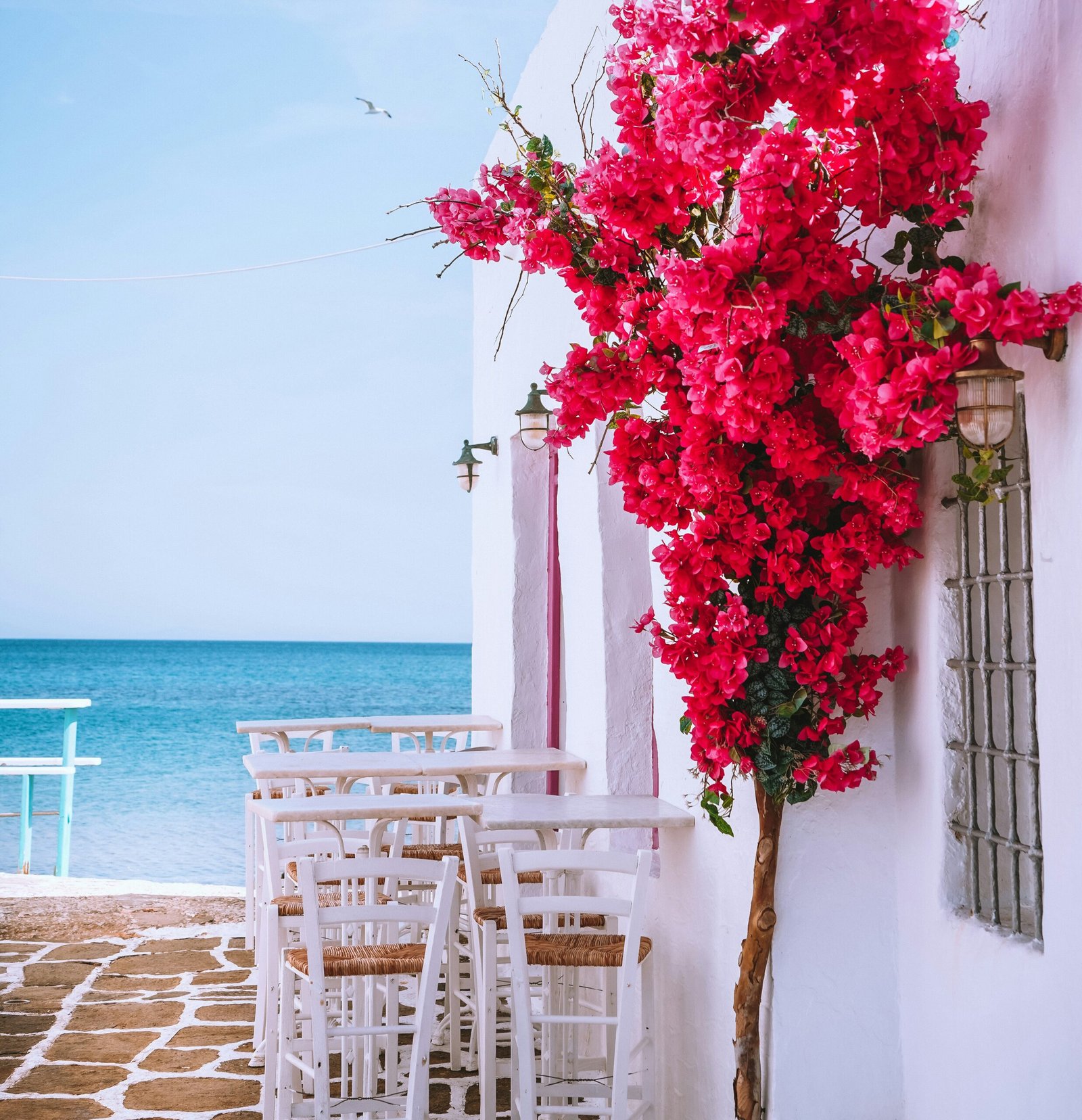
Naxos was simply incredible. I felt like I'd arrived on an island where every venue and its decor seemed to follow the same style, straight out of Pinterest: fuchsia armchairs, rattan chairs, real and fake bougainvillea framing every corner. They take happy hour seriously too — I grabbed a drink for 7 euros with complimentary popcorn and chips, something no other island had given me. It reminded me a bit of Italy in that sense. At night there's less nightlife compared to the other islands, but here you will find bars playing Greek music alongside the foreign stuff.
Having the Portara, the Temple of Apollo, right there as soon as you get off the ferry makes you want to go straight away. But I still waited for sunset to get the classic shot of the sun crossing through the arch. What I didn't expect was that it would be extremely windy that day, and crossing the water to get there I ended up completely splashed — but it was an adventure, and the photos were more than worth it.
To explore the interior, I took a tour with Naxos Bus Transfer that covered the most important spots with an outstanding guide, for just 35 euros: the Temple of Demeter, Apiranthos and Apollonas were the places we visited, with free time to swim and have lunch. Driving those mountain roads left me breathless — seeing the town from above, as if you were climbing in a spiral, with ancient churches and abandoned ruins all part of the same landscape, is something I didn't expect to find on a single island.
The giant marble statue in Apollonas was the last thing we saw on the tour, right on my last day, and the story behind every spot in Naxos stayed with me forever. It was the perfect close to an incredible visit.
"Naxos isn't just toured: it's climbed, discovered in a spiral, and every bend in the road has something to tell."
Santorini
The most photographed island in the world. Volcanic, romantic and surreal
Santorini needs no introduction: its blue-domed churches, its cliffs over the caldera and its sunsets in Oia are images that traveled the whole world. But beyond the postcard, the island hides fascinating archaeological sites, volcanic beaches found nowhere else — black, red and white — and its own cuisine based on produce grown in volcanic soil. Arrive with high expectations. It'll exceed them anyway.
Where to stay?
- Fira — lively nightlife, easy transport, plenty of price options.
- Oia — luxury and romance. Higher prices. The most famous sunsets in the world.
- Imerovigli — quiet panoramic views, less mass tourism than Oia.
- Perissa or Kamari — on the volcanic coast. More affordable prices, beach-town feel.
Must-sees
- Sunset in Oia — arrive at least 1 hour ahead
- Fira → Oia hike (9 km)
- Akrotiri archaeological site — the Greek Pompeii
- Catamaran tour around the caldera
- Volcanic hot springs
- Medieval village of Pyrgos
- Imerovigli — Skaros Rock
One-of-a-kind volcanic beaches
- Red Beach — red sand, red cliffs. Spectacular.
- Perissa — 7 km of black volcanic sand.
- White Beach — only reachable by boat from Red Beach. Exclusive.
- Kamari — family-friendly, with a boardwalk and open-air cinema.
- Vlychada — cliffs sculpted by the wind. Few crowds.
The Fira → Oia hike: the most famous trek in Greece
It's 9 km along cliffs with views of the Aegean, the volcano and Cycladic architecture. The Fira → Oia direction has a steeper climb at the start that eases up afterward. It's best to set out early so you reach Oia by sunset. The stretch between Imerovigli and Oia is rocky: comfortable shoes are a must.
Tomatokeftedes
Volcanic-tomato fritters. Santorini's signature snack.
Santorini Fava
Purée of split peas grown in volcanic soil. A one-of-a-kind PDO.
Local lamb
With fava. A classic, sublime combination on the island.
Assyrtiko
A mineral, refreshing white wine from a native grape variety. Greece's best wine.
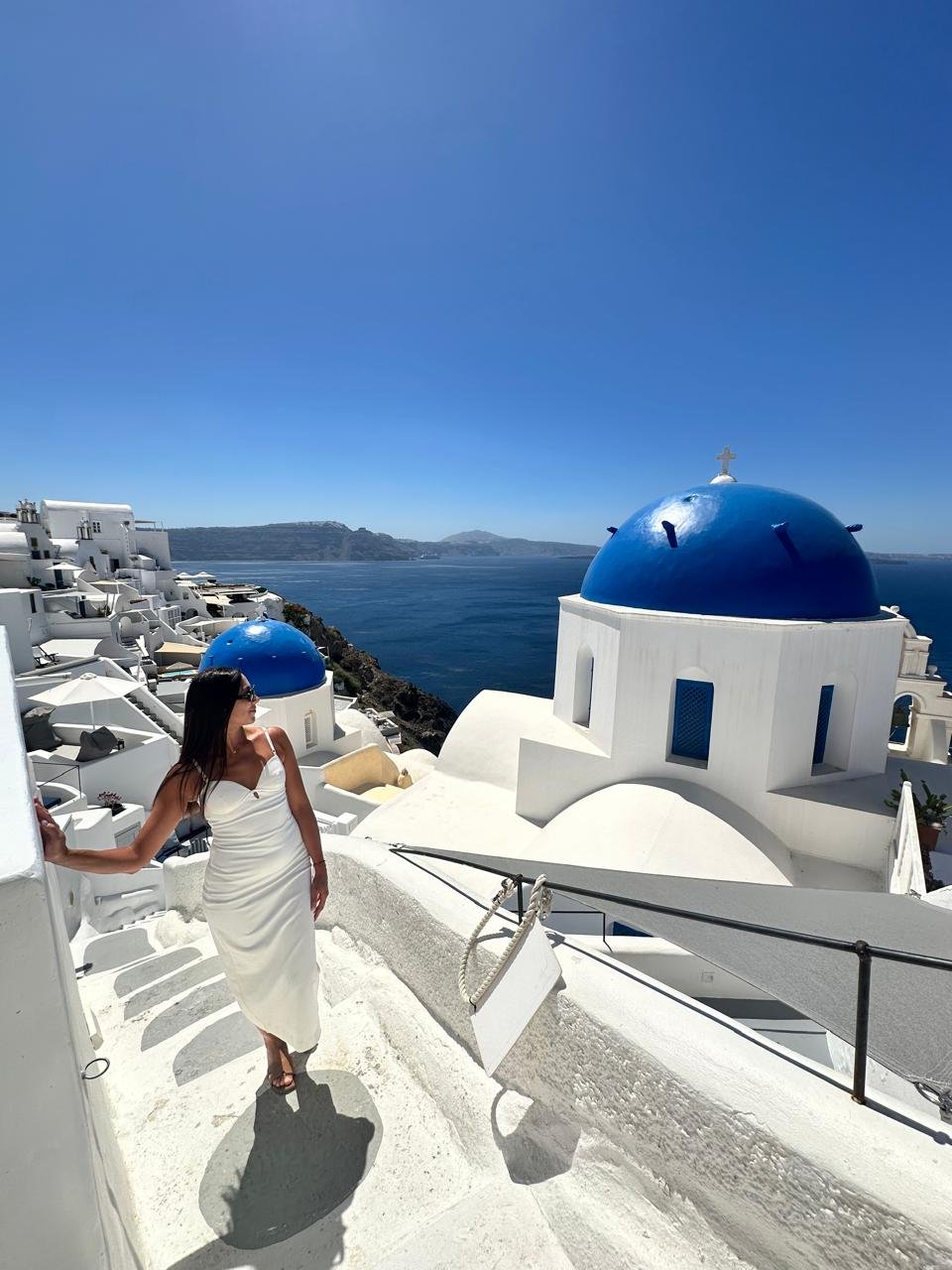
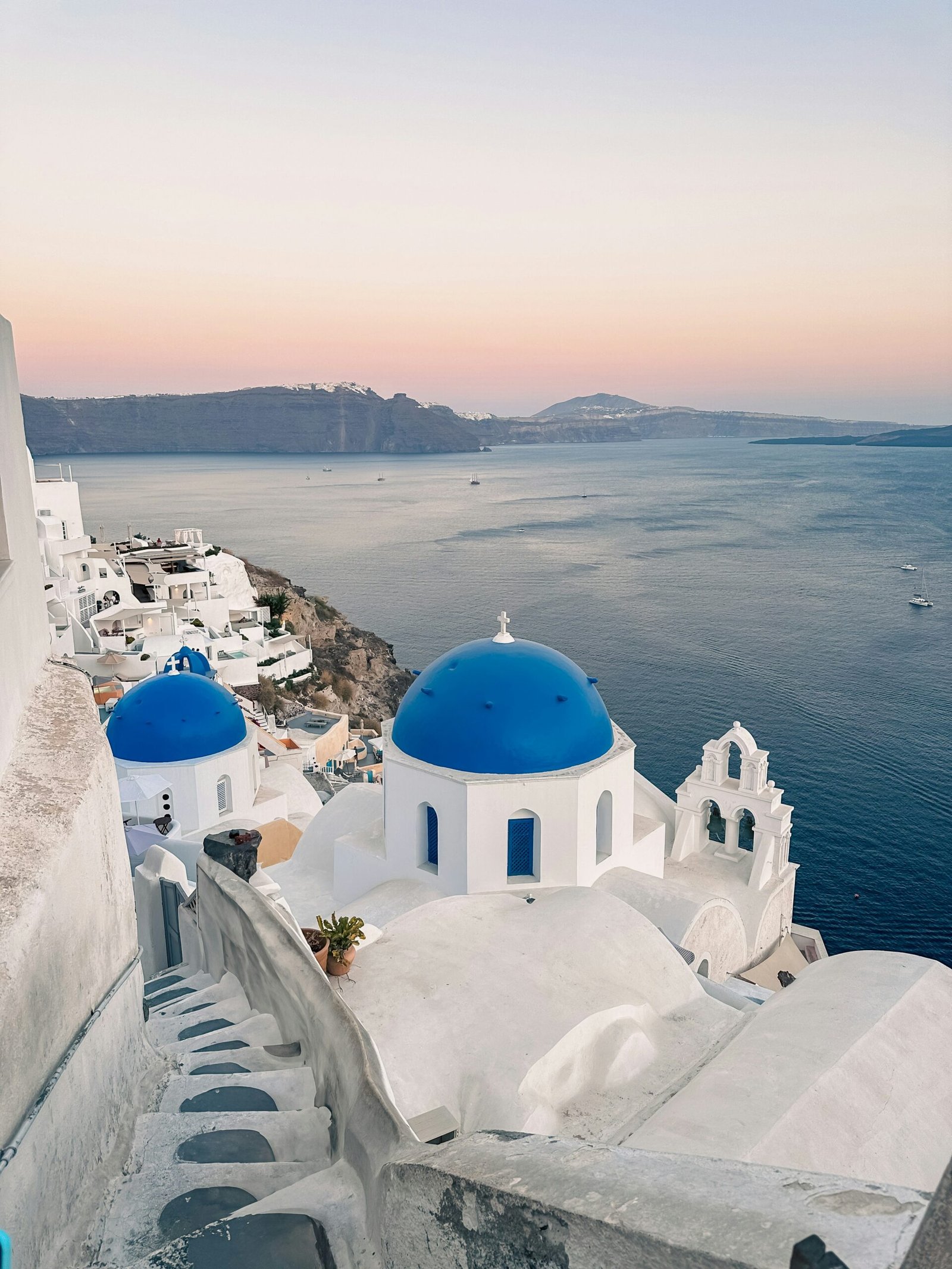
Santorini was the perfect ending to an incredible trip. Indescribable, wonderful, it simply exceeded my expectations. I loved every staircase, every corner, every spot: the well-styled bars, the restaurants with a view, the beauty of the cruise ships passing in the distance, the paths hugging the sea, and so many photogenic corners that looked like a living painting.
Walking was the natural way to get around here, and you walk quite a bit more than on the other islands if you want to see everything. There are buses that run to the beaches and to Oia on a regular basis, although the schedule is more of a guideline than a guarantee: it's first-come, first-served, and they fill up fast.
One of the hikes that stayed with me most was the one from Imerovigli to Oia. At first glance it doesn't look that far, but it takes around 3 hours, and the best time to go is in the afternoon: that way you catch the sunset and avoid the midday sun. I happened to set out at the worst possible time and had to turn back halfway — the sun was too intense and the trail looked very steep further ahead. Bring proper footwear, and the same goes if you head down to Skaros Rock: the path has some demanding stretches. But it's absolutely worth it, because on the other side a small hidden church awaits that looks like it's from another era.
Every corner of the island has its own charm, and every viewpoint will take your breath away in a different way. Santorini doesn't have the best beaches of the trip — those are on other islands — but with the caldera views thrown in, the sunset there simply looks more majestic than anywhere else.
How to pay for the bus in Santorini
This was the only island on the route where you paid for the bus in coins — no card machine on board, a fairly old-school setup. If you didn't have cash, the only option was to go to the terminal and pay by card there. It's the opposite of what happens on the other islands, where the driver usually prefers card payment and cash is only for the ticket booths. Bring loose change so you don't get stranded.
"After touring five islands, Santorini didn't disappoint for a single second — and that, perhaps, is the highest praise I can give it."
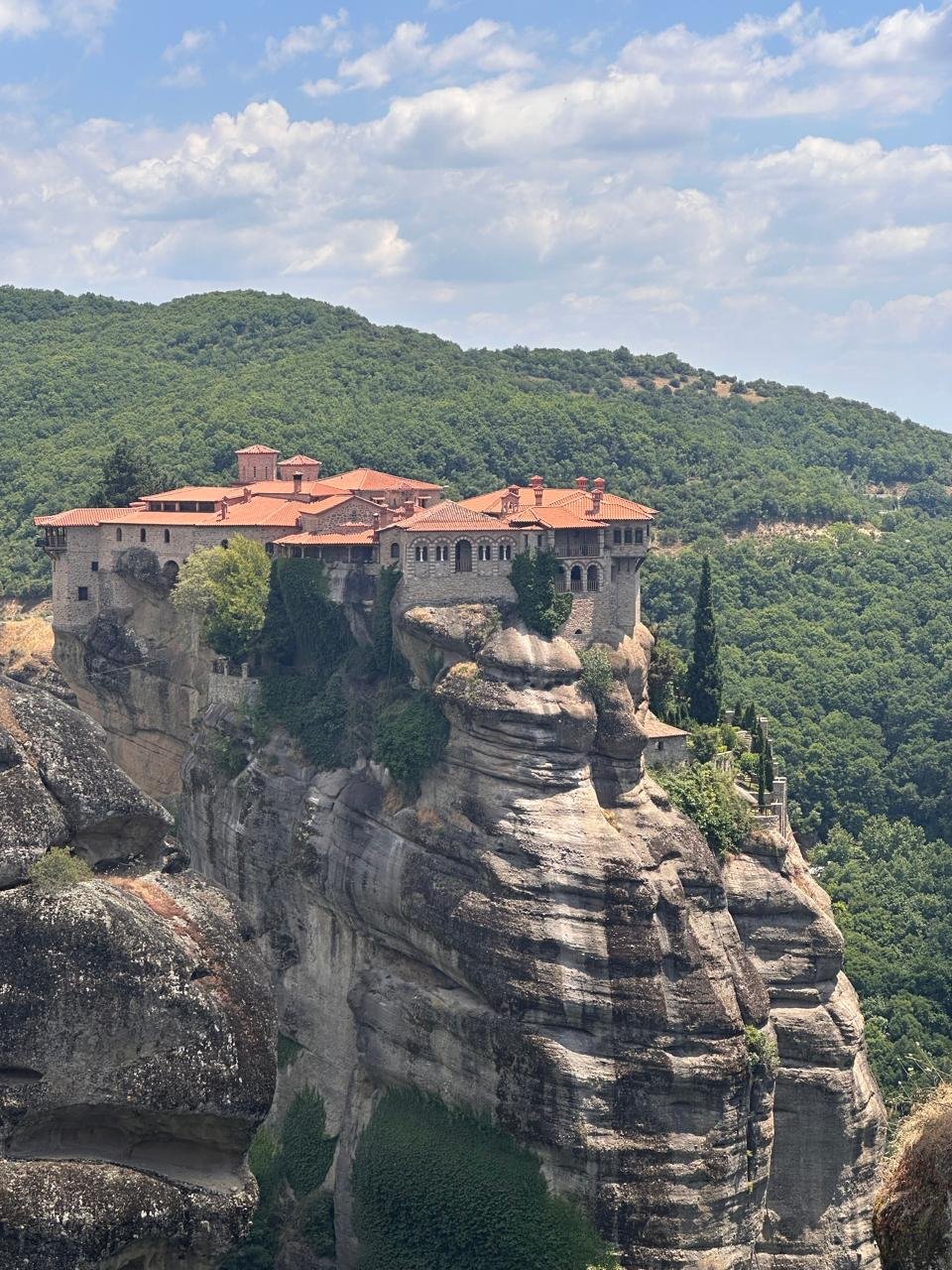
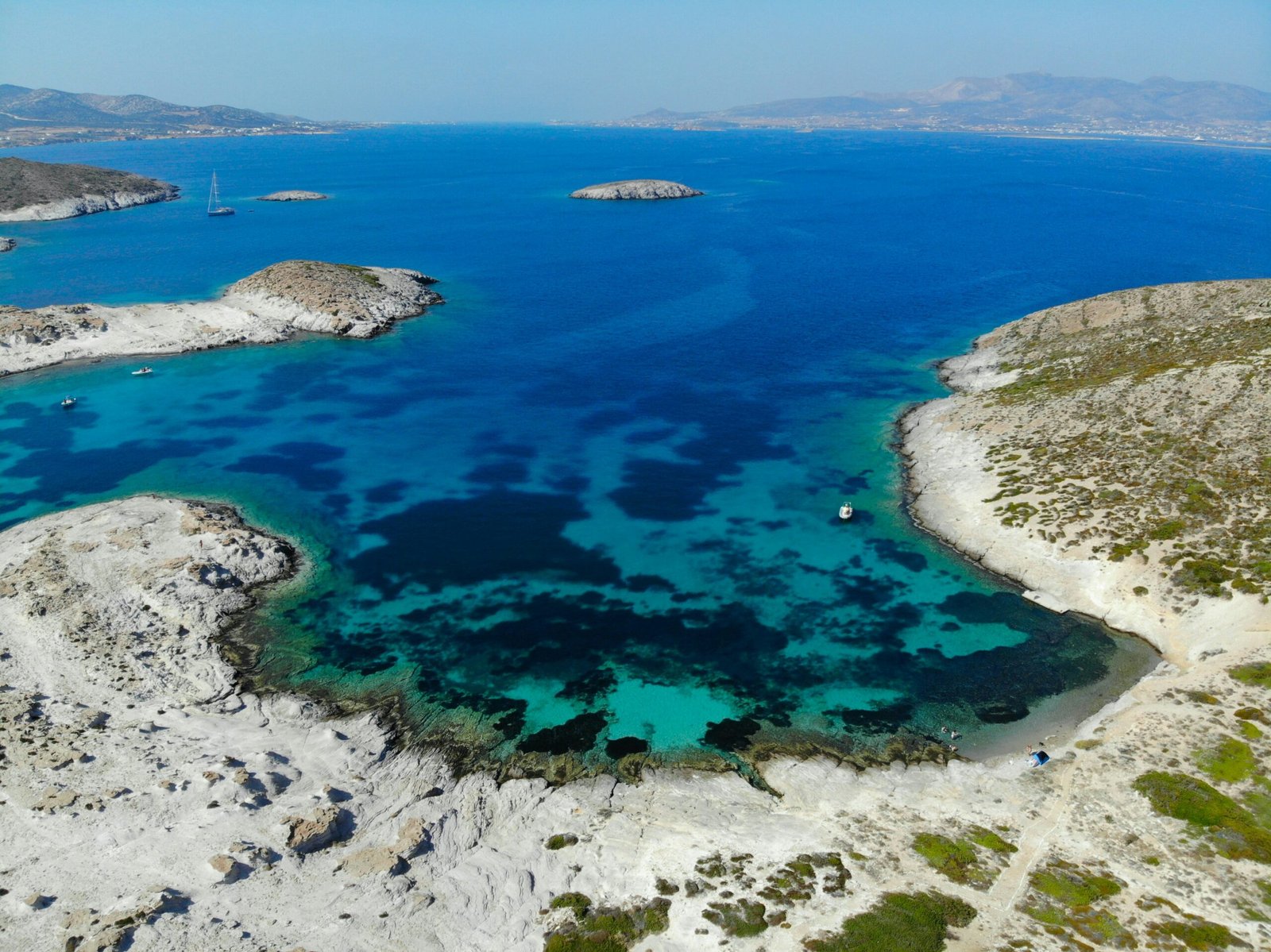
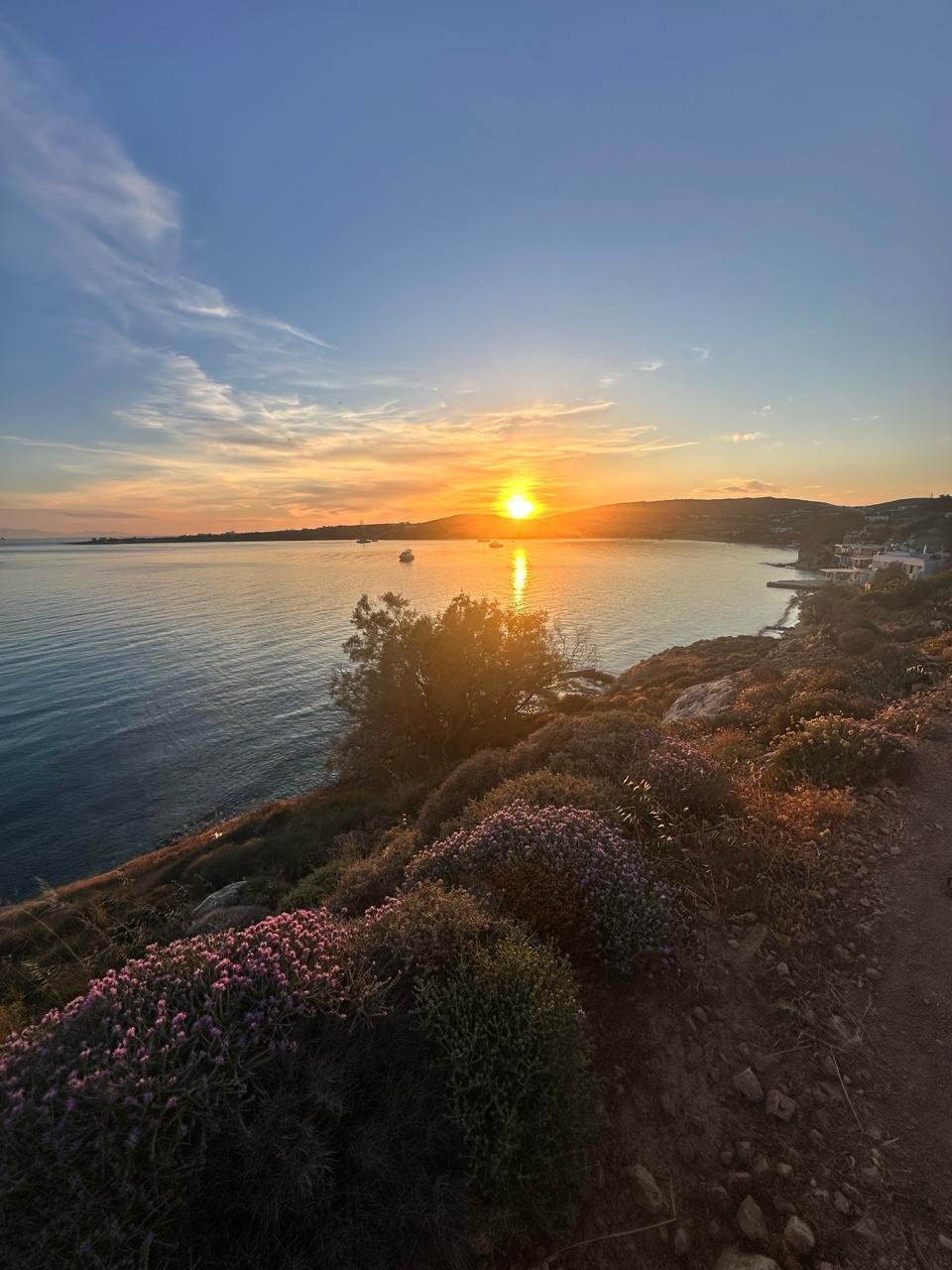
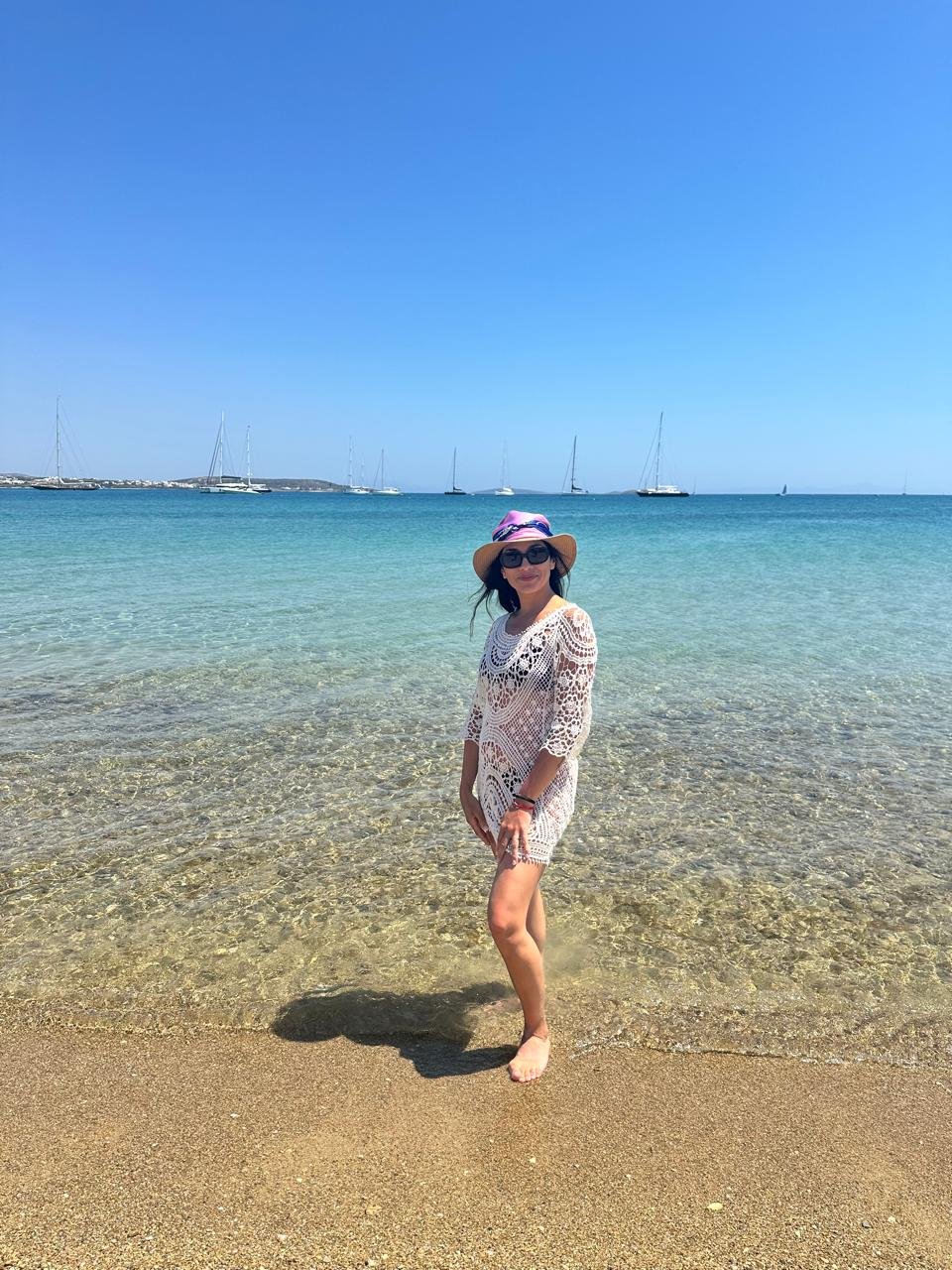
Greece, in pictures
A look at the moments that stayed with us throughout the trip.

Everything you need to know about the ferries
Ferries are the logistical backbone of any trip to the Cyclades. They're not a minor detail: choosing the right company and class, and booking in advance, can make the difference between a smooth trip and a headache. Here's everything I learned.
Book in advance
In high season (June to August) ferries fill up — especially cabins and popular routes like Santorini or Mykonos. Booking 3 to 6 weeks ahead is the reasonable minimum. The most convenient platform is Ferryhopper — it compares all the lines and lets you book in minutes.
Blue Star vs. Sea Jets
Blue Star Ferries are the big conventional ferries: slower but more stable, more comfortable and cheaper. Ideal for long routes. Sea Jets are high-speed catamarans: faster but pricier and more affected by rough weather. For short hops like Paros → Naxos, either one works.
Classes on board
The big ferries have an open deck (budget option), a tourist-class lounge and private cabins. For 2–3 hour crossings, deck-lounge is more than enough. For overnight routes or trips over 6 hours, a cabin can be worth the extra cost — especially if you want to sleep.
The Port of Piraeus
All ferries from Athens depart from the Port of Piraeus, not downtown. From central Athens it takes 30 to 45 minutes by metro (green line). Plan to arrive at least 45 minutes early — the port is big and can be confusing.
The sea can complicate things
In summer the Meltemi wind can be intense, especially in July and August. It can create waves that delay or cancel high-speed ferries. If your dates are tight, choose Blue Star (more stable). June and September have less wind.
Arriving at the islands
In Mykonos and Santorini the port is away from the center. In Mykonos there are regular buses or taxis from the port. In Santorini there's also a direct bus from the port to Fira — you don't need the cable car or the steps if you arrive by ferry from another island; those options are meant for cruise passengers, who disembark at a different port. In Paros and Naxos the port is right in the center — very convenient.
- Piraeus (Athens) → Mykonos Blue Star / Sea Jets 5h – 5h 30min 5h – 5h 30min
- Mykonos → Paros Sea Jets / Blue Star 45min – 1h 30min 45min – 1h 30min
- Paros → Naxos Blue Star / local 45min – 1h
- Naxos → Santorini Blue Star / Sea Jets 5h – 5h 30min 2h – 3h 30min
- Santorini → Piraeus (Athens) Blue Star 5h – 9h (some overnight)
Timing matters more than you think
Jan – Mar
Cold, many places closed. Not recommended.
Apr
Spring. Nice but still too cool for the sea.
May
Great for sightseeing. Cool sea. Few crowds.
Jun
Perfect. Warm weather, warm sea, everything open.
Jul
High season. Heavy tourism and heat.
Aug
Peak season. Full ferries, high prices.
Sep
The second-best choice. Warm sea, fewer crowds.
Oct
Quiet. Decent though variable weather.
Nov – Dec
Many places close. Only Athens is worth it.
My recommendation
June and September are the ideal months. June has 24–28°C, the sea is already warm, everything is open, and the July–August tourist peak hasn't hit yet. September has the warmest sea of the year and noticeably fewer people than summer. Both have long daylight well into the evening.
- Currency
- Euro (€)
- Electricity
- 230V — Type C/F (round plugs)
- Connectivity
- Local SIM or European eSIM
- Keep in mind
- Book ferries in advance during high season
- Language
- Greek. English in tourist areas.
- Transport
- Inter-island ferry · Athens Metro · Ferryhopper app
- Tipping
- Not mandatory — rounding up the bill is fine
- Documentation
- Valid national ID or passport (European Union)
Rent a scooter or quad bike
It's the best way to get around the islands. Buses are limited and taxis are expensive.
Cash + card
Carry some euros in cash for small taverns and local markets.
Eat away from the center
The best taverns are always a few streets away from the main squares.
Get up early in Oia
Arriving before 9am helps you avoid the crowds at the most photographed viewpoints.
Essential apps
FerryhopperGoogle Maps, Booking and Google Reviews for finding taverns.
Documentation
Valid national ID or passport. Travel insurance is recommended.
Pack light
Getting on and off ferries with big suitcases is a hassle. The lighter, the better.
Athens combo ticket
Includes the Acropolis and 6 archaeological sites at a discount. Worth it.
Resources that can help you prepare for the trip:
"May the Aegean welcome you with its turquoise waters and its ever-open horizon."
Καλό ταξίδι · Safe travelsDid you find this article helpful?
Share this with that friend who always dreams of visiting this destination.
Do you have any more tips for this destination? Leave us a comment with your travel story.
Share this article!
Help other travelers by sharing this information
Thanks for sharing